

St. Louis Soil Problems: How They Affect Your Home’s Foundation
Most homeowners think foundation problems start with the house. In reality, they usually start with the soil beneath it.
In the St. Louis region, the ground your home sits on plays a major role in how your foundation performs over time. The area is known for dense clay soils that expand, shrink, and shift throughout the year. Those constant changes can place stress on foundations, basement walls, and slabs.
Understanding St. Louis clay soil foundation issues can help homeowners recognize warning signs earlier and protect their homes before small structural problems turn into expensive repairs.
Why Soil Conditions Matter for Foundations
Every foundation relies on stable soil to support the weight of the structure above it. When soil moves, settles, or expands unevenly, the foundation must absorb that movement.
Some soils stay relatively stable. Others are highly reactive to moisture.
Unfortunately, much of the St. Louis area sits on expansive clay soil, which is among the most problematic soil types for residential foundations.
Clay soil behaves differently than sandy or rocky soil because it absorbs and releases water easily. This creates cycles of expansion and contraction beneath homes throughout the year.
When the ground moves, the foundation moves with it.
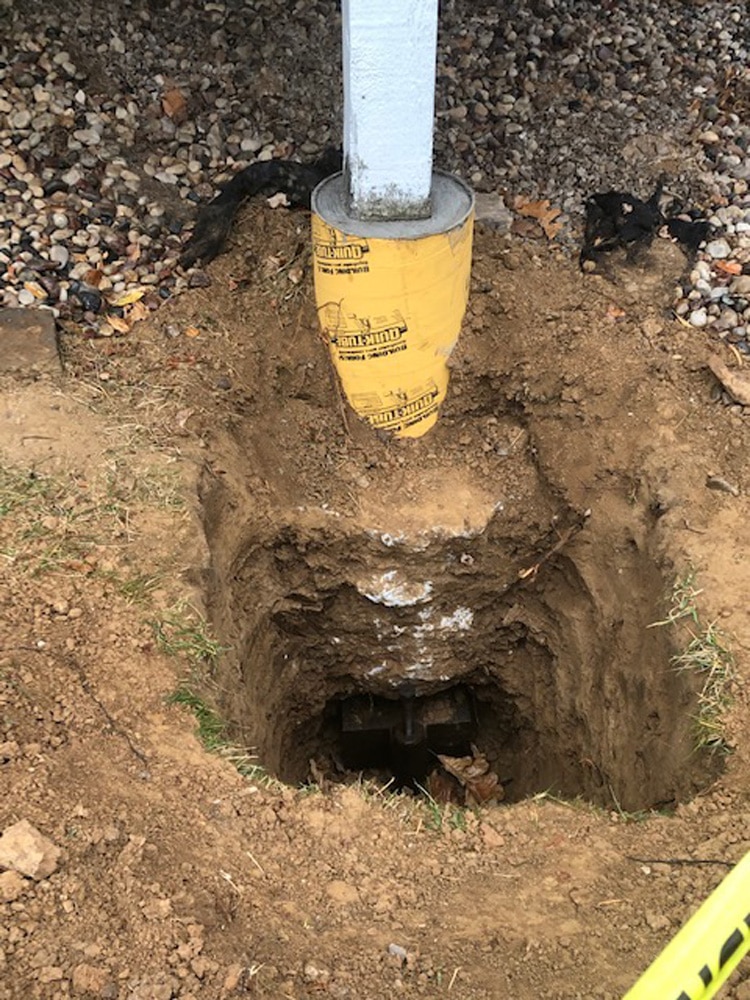
The Clay Soil Found Throughout St. Louis
Many neighborhoods across the St. Louis metro area contain soils with a high clay content. These soils can hold a significant amount of water and change volume dramatically depending on moisture levels.
During wet periods, clay soil absorbs water and expands. During dry periods, it shrinks and contracts.
This expansion and contraction places pressure on foundations from multiple directions. Over time, these cycles can create several structural issues including:
- Foundation settlement
- Basement wall cracking
- Bowing basement walls
- Uneven floors
- Sticking doors and windows
While these issues may develop slowly, the soil movement beneath the home is often the root cause.
How Seasonal Moisture Changes Affect Foundations
The Midwest climate plays a major role in soil movement. St. Louis experiences wide seasonal swings in precipitation, temperature, and humidity. Those environmental changes affect how clay soil behaves beneath homes.
In spring and early summer, heavy rains saturate the soil. Clay absorbs that water and expands. This expansion can push laterally against basement walls, increasing hydrostatic pressure.
Later in the summer and fall, extended dry periods cause the soil to lose moisture. As the clay shrinks, gaps can form beneath sections of the foundation. This can lead to settlement as the structure loses support.
These cycles repeat year after year, gradually stressing the foundation system.
Hydrostatic Pressure and Basement Wall Stress
Clay soil also contributes to one of the most common basement issues in St. Louis: hydrostatic pressure.
When soil becomes saturated after rainfall, water fills the tiny spaces between soil particles. This creates pressure that pushes against basement walls. Because clay soils drain slowly, the pressure can remain for extended periods.
Over time, hydrostatic pressure can cause:
Horizontal foundation cracks
Bowing basement walls
Water seepage through cracks or joints
Homes with poor exterior drainage are especially vulnerable because water remains trapped around the foundation.
Why Some Homes Experience More Foundation Problems
Not every home in St. Louis develops serious foundation issues. Several factors influence how soil movement affects a particular structure.
The most common factors include:
Drainage conditions around the home
If water collects near the foundation due to poor grading or clogged gutters, the surrounding clay soil will expand more aggressively.
Tree roots near the foundation
Large trees absorb significant moisture from the soil. This can cause localized drying and shrinkage that leads to uneven settlement.
Older foundation construction
Many homes in St. Louis were built decades ago using foundation designs that did not fully account for expansive soil behavior.
Soil composition variations
Even within the same neighborhood, soil conditions can vary dramatically. One home may sit on stable soil while the property next door rests on highly expansive clay.
Because of these variables, foundation movement often appears unpredictable to homeowners.
Common Signs of St. Louis Clay Soil Foundation Issues
Homeowners should watch for early signs that soil movement may be affecting the structure. Catching these problems early can prevent more extensive repairs later.
Some of the most common warning signs include:
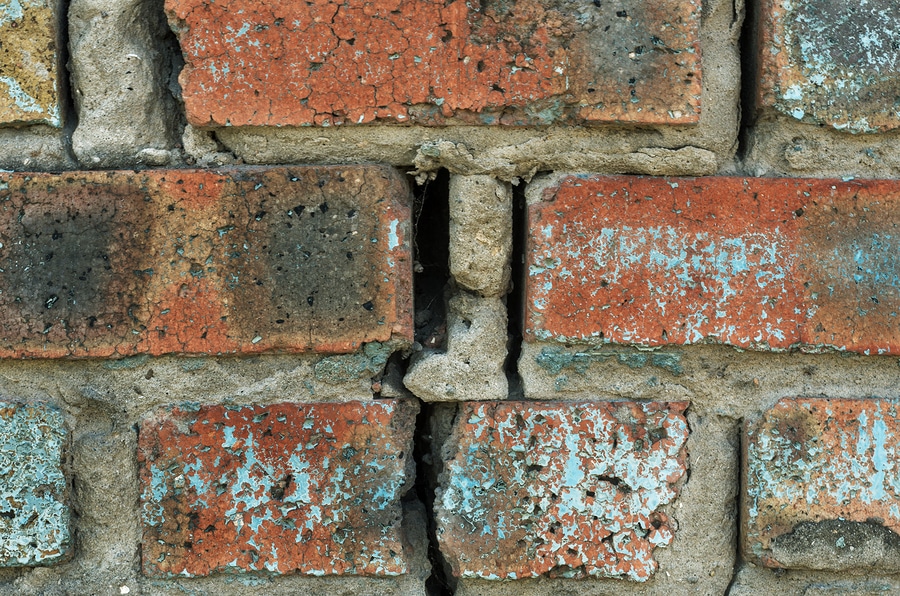
- Stair-step cracks in brick exterior walls
- Cracks forming in basement walls or floors
- Doors and windows that suddenly stick or become difficult to close
- Uneven or sloping floors
- Gaps forming around window frames or trim
These issues may develop slowly, which makes them easy to overlook at first. However, they often indicate that the soil beneath the foundation is shifting.
Preventing Soil-Related Foundation Damage
While homeowners cannot change the type of soil beneath their property, they can take steps to reduce the impact of moisture changes.
Proper water management around the home is one of the most important preventative measures. This includes maintaining gutters and downspouts, ensuring proper grading, and directing water away from the foundation.
Consistent soil moisture levels can also help minimize expansion and shrinkage cycles. In some cases, controlled watering around the foundation during extremely dry periods can reduce rapid soil contraction.
However, when structural movement has already begun, professional foundation solutions may be necessary to stabilize the home.
Professional Solutions for St. Louis Foundations
When soil movement causes foundation settlement or wall movement, structural repair methods can restore stability.
Depending on the specific problem, solutions may include:
- Foundation pier systems to stabilize settling structures
- Wall reinforcement systems for bowing basement walls
- Crack repair solutions to stop water intrusion
- Drainage improvements to reduce hydrostatic pressure
A proper inspection helps determine the exact cause of the issue and the best approach for long-term stability.
Protecting Your Home from St. Louis Soil Movement
The soil conditions in the St. Louis region are one of the most common causes of foundation problems for local homeowners. Expansive clay soils, combined with seasonal moisture changes, create ongoing stress beneath homes throughout the area.
Understanding how these soils behave helps homeowners recognize early warning signs and take action before structural problems worsen.
If you are noticing foundation cracks, bowing basement walls, or signs of settlement, a professional inspection can determine whether St. Louis clay soil foundation issues are affecting your home and what steps can restore stability.