

Street Creep Repair in St. Louis, MO
Street creep can slowly push driveways, sidewalks, and garage slabs toward your home. As that pressure builds, it may compress expansion joints, crack garage walls, shift masonry, and damage the foundation.
Perma Jack of St. Louis provides professional street creep inspections and repair solutions for homeowners throughout the greater St. Louis area. Our team evaluates the driveway, garage, expansion joints, and surrounding foundation to determine where the pressure is coming from and what repairs are needed.
Addressing the problem early can help relieve pressure against the home and reduce the risk of more extensive structural damage.
Professional Street Creep Solutions
Street creep develops gradually, and the visible damage may extend beyond the driveway. The correct repair depends on how far the concrete has moved, whether the expansion joints have closed, and whether the garage or foundation has already been affected.
Our street creep services may include:
Driveway and slab inspections
Expansion joint evaluation
Pressure-relief cuts in concrete
Expansion joint installation
Urethane joint sealing
Garage wall inspections
Foundation crack evaluation
Bowed wall stabilization when needed
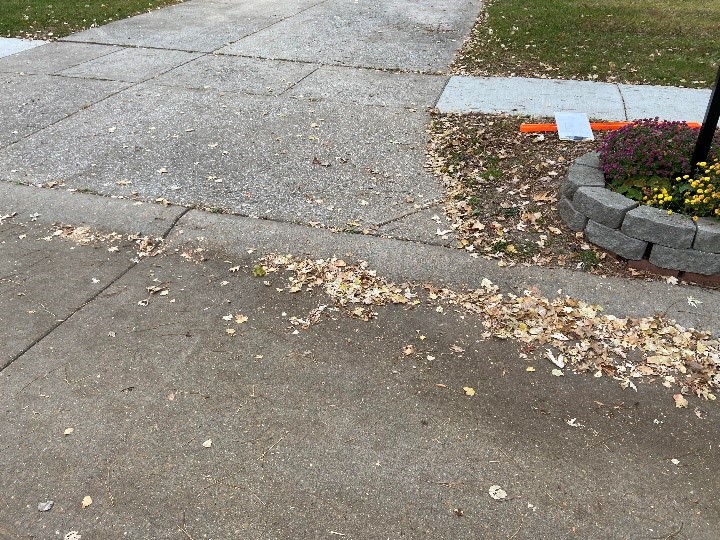
Looking for Street Creep Repair in St. Louis?

What Is Street Creep?
Street creep is the gradual movement of concrete pavement toward a home. It occurs as concrete streets, sidewalks, and driveways repeatedly expand during warm weather and contract during cooler conditions.
Although each cycle may create only a small amount of movement, the pressure can build over many years. If the pavement does not have enough room to expand, it may push adjoining slabs toward the garage and foundation.
Street creep is often more common on properties located:
- Near cul-de-sacs
- Along curved streets
- At T-shaped intersections
- At the bottom of sloped streets
- Where long concrete driveways lead directly to the garage
- Where expansion joints are missing or fully compressed
The expansion joints between the street, sidewalk, driveway, and garage are intended to accommodate movement. Once those joints close, pressure may begin transferring into the structure.
Signs of Street Creep Around Your Home
Street creep often starts outside, but the resulting damage may appear inside the garage or along the foundation.
Common warning signs include:
Fully compressed expansion joints
Driveway slabs pressing against the garage
Cracks beside the garage door
Brick or masonry cracking near the driveway
Garage walls shifting or bowing
Gaps forming behind foundation walls
Cracks where exterior slabs meet the home
Interior drywall cracks near the garage
Garage doors becoming difficult to operate
Concrete slabs lifting, shifting, or crowding one another
Foundation cracks that grow wider or appear alongside other signs of movement may indicate more than a surface-level concrete problem. Learn more about when a foundation crack signals a serious structural problem.
Why Street Creep Is Common in St. Louis
St. Louis experiences wide seasonal temperature changes. Concrete expands during hot weather and contracts when temperatures fall. Repeated movement can gradually close the joints between exterior slabs.
Several property conditions may increase the risk.
Long Runs of Concrete
Long streets, sidewalks, and driveways contain more concrete that can expand. As movement accumulates, the slabs may push toward the nearest point of resistance.
Compressed Expansion Joints
Expansion joints provide flexible space between concrete sections. When the joint material deteriorates or the gap closes completely, the pavement has less room to move.
Curved Streets and Cul-de-Sacs
Concrete movement can become concentrated around curves and circular street layouts. Homes in these locations may receive pressure from multiple adjoining sections of pavement.
Driveways Aligned With Intersections
A driveway facing a T-shaped intersection may sit directly in the path of movement from the street and adjoining pavement.
Seasonal Temperature Changes
Repeated heating and cooling gradually move the concrete. Winter conditions may also contribute to cracking and stress around foundations. Read more about how winter weather affects foundations in St. Louis.
Why Street Creep Should Be Repaired Early
Street creep does not usually stop after the first visible crack. Continued pressure can move through the driveway and into the garage or foundation.
Early inspection can help determine:
- Whether the expansion joints have closed
- Which concrete slabs are transferring pressure
- Whether the garage wall has moved
- Whether foundation cracks are structural
- Whether the pressure can be relieved at the driveway
- Whether wall reinforcement is also needed
The sooner the pressure is addressed, the better the opportunity to reduce further movement before more extensive foundation repairs become necessary.
How We Repair Street Creep
Perma Jack evaluates both the source of the pressure and any damage that has already occurred.
Inspect the Driveway and Foundation
We examine the street-facing concrete, sidewalk, driveway, garage slab, expansion joints, garage walls, and visible foundation.
Identify Compressed Joints
Our team checks whether the joints still provide enough space for seasonal concrete movement.
Evaluate Structural Damage
We look for cracks, displaced masonry, bowed walls, gaps, and other signs that pressure has reached the structure.
Create Pressure-Relief Space
When appropriate, sections of concrete are cut to restore space between adjoining slabs and the home.
Install or Restore Expansion Joints
New or existing gaps may be filled with flexible backing material and urethane sealant. This creates a more controlled area for future movement.
Repair Related Foundation Damage
If street creep has cracked or shifted part of the structure, additional repairs may be recommended based on the damage.
Review the Completed Work
We explain the repairs, any structural concerns, and the areas that should be monitored over time.
Street Creep and Garage Wall Damage
As the driveway pushes toward the garage, the pressure may transfer into the slab, masonry, or foundation walls beside the garage door.
This can lead to:
- Cracking around the garage opening
- Displaced bricks or blocks
- Outward wall movement
- Bowed foundation walls
- Gaps between walls and framing
- Problems with the garage door opening
A cracked wall should be evaluated before it is sealed. Some damage may be cosmetic, while other cracks indicate continued movement that requires structural repair. Perma Jack provides professional wall crack repair for cracks caused by movement, water intrusion, and other foundation concerns.
Street Creep and Bowed Walls
In some cases, pressure from exterior concrete can push against the top of a foundation wall and cause it to lean, crack, or bow.
Relieving the pressure at the driveway may stop one contributing force, but a wall that has already moved may still require stabilization.
Depending on the wall and the amount of movement, repair options may include:
- Steel I-beam supports
- Wall plate anchors
- Helical tiebacks
- Carbon fiber reinforcement
Learn more about professional bowed wall repair and the methods used to stabilize damaged foundation walls.
Street Creep and Foundation Settlement
Street creep and foundation settlement are separate problems, but some homes may experience both.
Street creep creates horizontal pressure from exterior concrete. Settlement occurs when the soil beneath the foundation shifts, compresses, or loses its ability to support the structure.
Signs such as foundation cracks, uneven floors, sticking doors, or gaps around windows may require a broader structural evaluation. Our team can determine whether the damage is caused by street creep, foundation settlement, or a combination of conditions.
Not every foundation concern requires piers. The correct repair should address the actual cause of the movement. Perma Jack has also outlined examples of foundation repairs that did not involve piers.
Expansion Joints and Ongoing Maintenance
Pressure-relief cuts and expansion joints need to remain flexible and free of rigid debris.
Homeowners should watch for:
- Joints that have closed again
- Missing or deteriorated sealant
- New driveway or garage cracks
- Loose joint material
- Concrete pressing directly against the foundation
- Water entering through open joints
Routine observation can help identify renewed movement before it damages the garage or foundation.
Why Choose Perma Jack of St. Louis?
Perma Jack has decades of experience helping St. Louis-area property owners address foundation cracks, wall movement, settlement, and street creep.
Homeowners choose us for:
- Local foundation repair experience
- Detailed driveway and foundation inspections
- Street creep pressure-relief solutions
- Expansion joint repair
- Garage wall and foundation evaluation
- Multiple structural repair options
- Clear recommendations based on the property
- Residential and commercial capabilities
Our goal is to identify where the pressure is coming from and recommend the repair that fits the structure rather than treating every crack the same way.
Schedule a Street Creep Inspection
Compressed expansion joints, cracked garage walls, and concrete pushing toward your home should be evaluated before the damage progresses.
Perma Jack of St. Louis provides professional street creep inspections and repair solutions throughout the greater St. Louis area. Our team will examine the driveway, garage, and foundation, explain what is causing the movement, and recommend the appropriate repairs.
Call 636-225-2553 or complete our online contact form to schedule a foundation inspection.