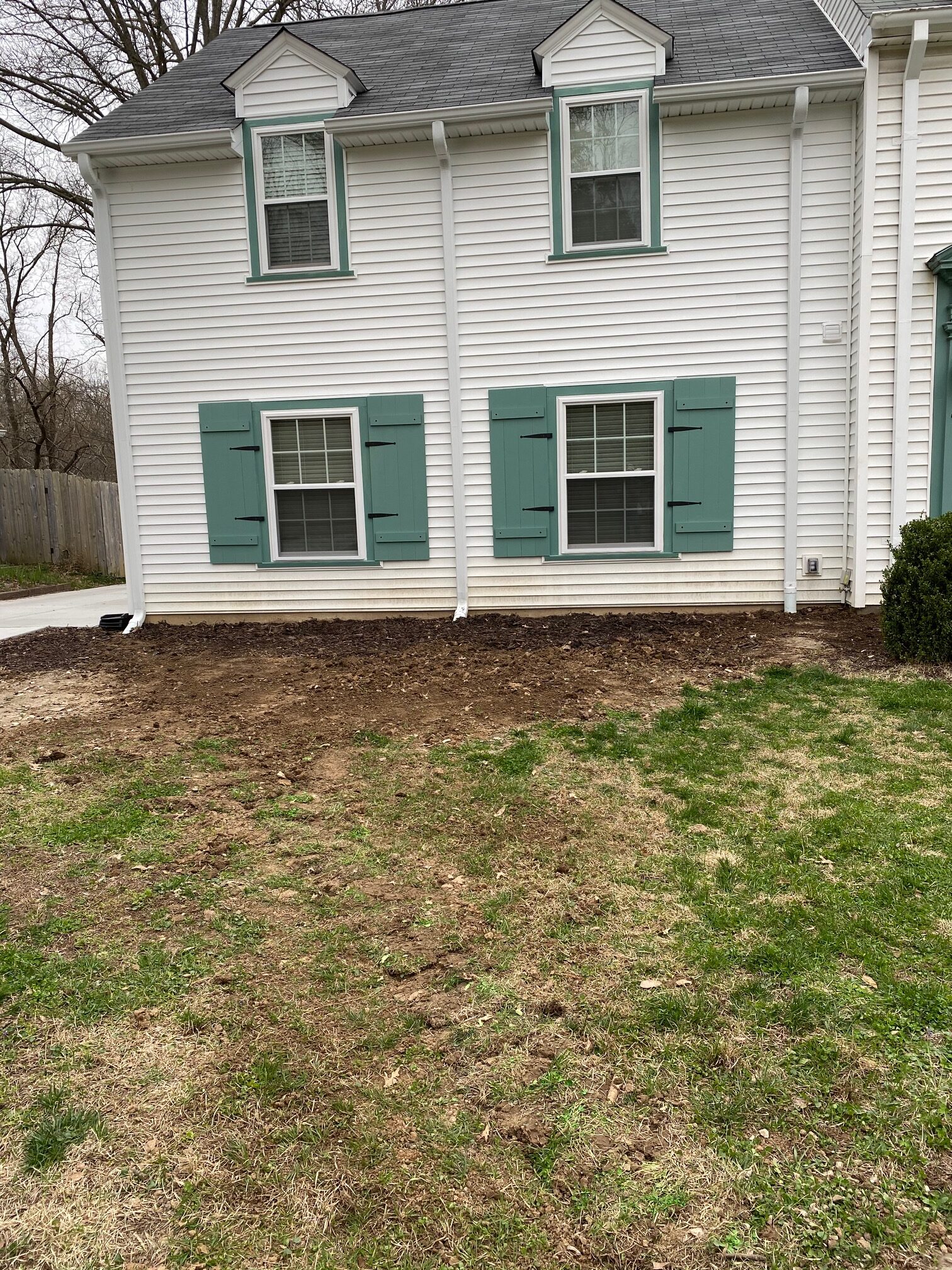

Yard Drainage Solutions in St. Louis, MO
Standing water, soggy soil, and runoff collecting near your foundation are common signs that water is not draining properly around your property. Without correction, poor yard drainage can contribute to soil erosion, basement leaks, foundation movement, damaged landscaping, and unusable outdoor areas.
Perma Jack of St. Louis provides professional yard drainage solutions for homeowners and commercial property owners throughout the St. Louis area. Our team evaluates how water moves across the property, identifies where it collects, and designs a drainage system that directs it away from the home.
Whether the problem begins at a downspout, driveway, low area, or foundation wall, we can recommend a solution based on the layout and drainage needs of your property.
Our Yard Drainage Solutions
Perma Jack of St. Louis installs professionally designed drainage systems to collect and redirect water before it causes problems around your home.
The right solution depends on the slope of the property, the source of the water, soil conditions, available discharge points, and the areas being affected.
Our yard drainage solutions include:
French drain systems
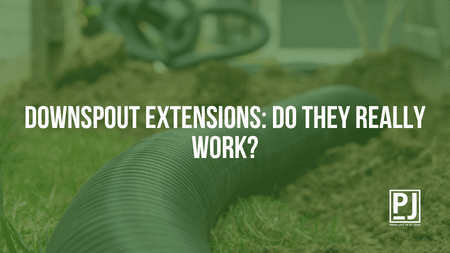
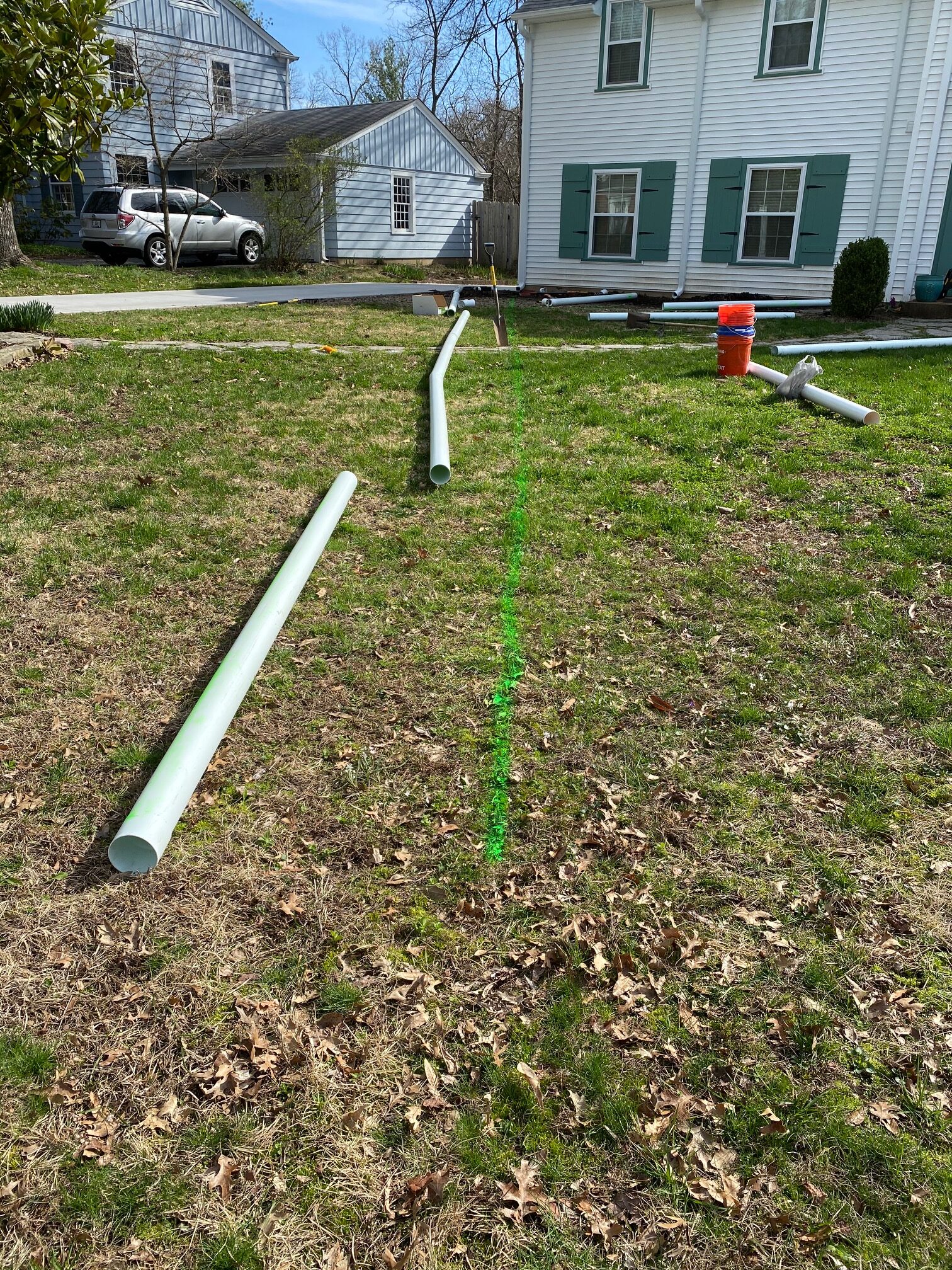
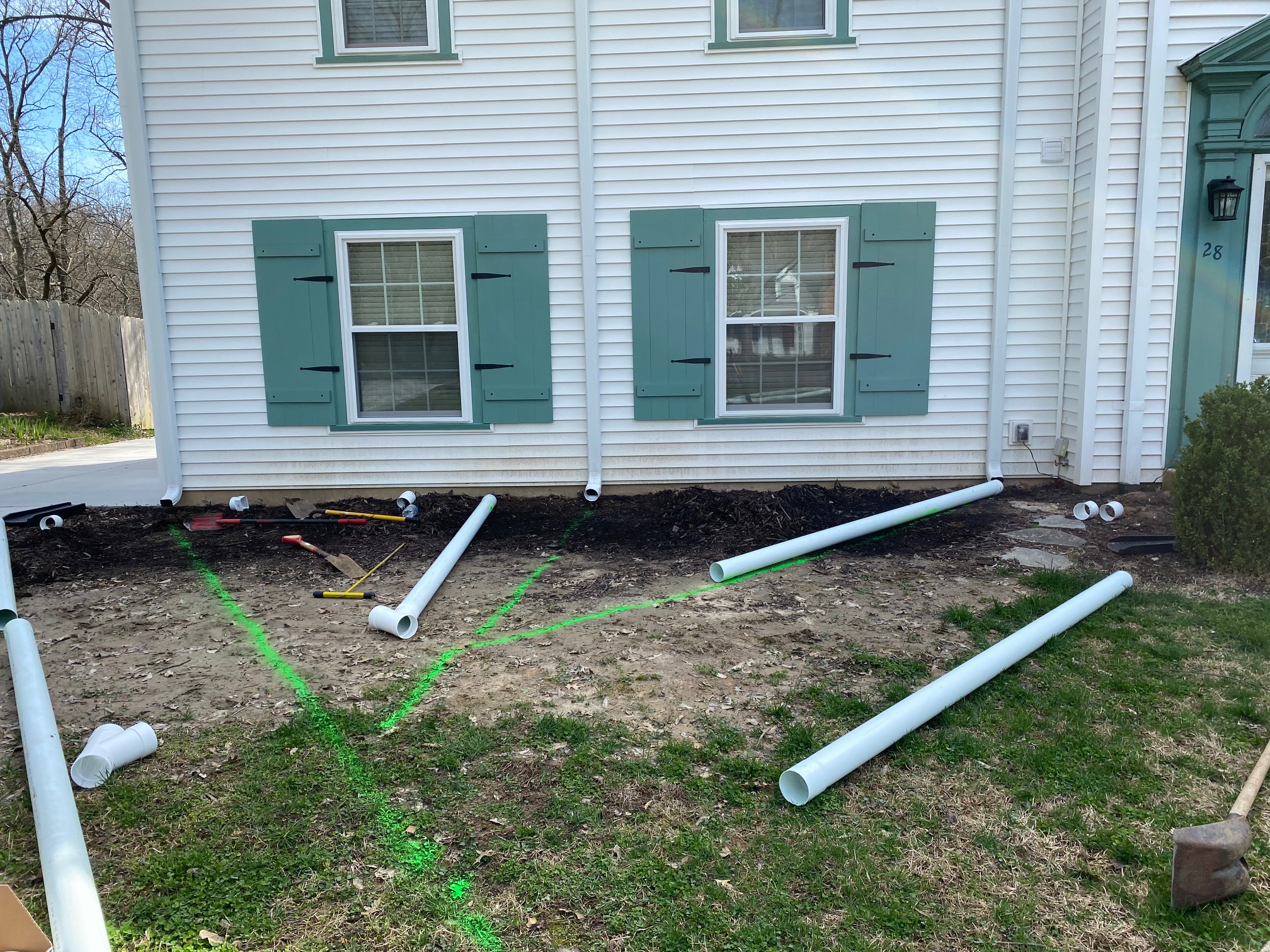
Underground downspout extensions
Dry creek beds
Surface and box drains
Driveway channel drains
Exterior footer drains
Exterior sump pump systems
Grading and drainage improvements
Proper drainage can help protect your foundation, reduce basement water problems, limit erosion, and make wet areas of your yard more usable.
Looking for Yard Drainage Services in St. Louis?

How to Tell If You Have a Yard Drainage Problem
Some drainage problems are easy to recognize after heavy rain. Others develop gradually and may only become noticeable after the surrounding soil has remained wet for an extended period.
Common signs of poor yard drainage include:
Standing water that remains after rain
Soggy or muddy areas of the yard
Water collecting beside the foundation
Soil erosion around the home
Ruts beneath downspouts
Mulch or soil washing away
Water flowing toward the garage
Basement or crawl space leaks
Cracks developing in foundation walls
Uneven lawn growth or dying plants
Water collecting around patios or walkways
Exterior sump pumps running frequently
Walk around the property after a heavy rain and note where water collects, how long it remains, and whether runoff is moving toward the home. These details can help identify the source of the problem.
Why Yard Drainage Problems Develop in St. Louis
St. Louis properties can experience significant changes in soil moisture throughout the year. Heavy rain, clay-rich soil, changing grades, and concentrated roof runoff can all prevent water from moving safely away from the home.
Expansive Clay Soil
Clay soil absorbs and retains large amounts of water. Once saturated, it drains slowly and may remain wet long after the rain has stopped.
As the soil expands and contracts, it can also place changing pressure against the foundation.
Improper Grading
The ground around the home should slope away from the foundation. Low areas or soil that slopes toward the house can direct surface water against basement or crawl space walls.
Short or Disconnected Downspouts
Gutters collect a large amount of water from the roof. If downspouts release that water directly beside the home, the surrounding soil can quickly become saturated.
Low Areas in the Yard
Natural depressions, settled soil, landscaping changes, and construction can create areas where water becomes trapped instead of flowing toward a safe discharge point.
Driveways That Slope Toward the Home
A driveway that directs water toward a garage or foundation can allow runoff to enter the structure during heavy rain.
Inadequate Drainage Systems
Older, clogged, damaged, or undersized drains may no longer handle the amount of water moving across the property.
Why Yard Drainage Should Be Corrected Early
Standing water may appear to be only a landscaping problem, but repeated saturation can affect several areas of the property.
Poor drainage can contribute to:
- Basement and crawl space water intrusion
- Increased pressure against foundation walls
- Foundation settlement
- Soil erosion
- Damage to patios, driveways, and walkways
- Mold and excess indoor humidity
- Dying grass and damaged landscaping
- Mosquito and pest activity
- Muddy, unusable outdoor spaces
Correcting the drainage problem early can help prevent water from reaching the foundation and reduce the need for more extensive repairs later.
Professional Yard Drainage Systems
Perma Jack installs several drainage systems for different types of water problems. The best option depends on where the water originates and where it can be discharged safely.
French Drain Systems
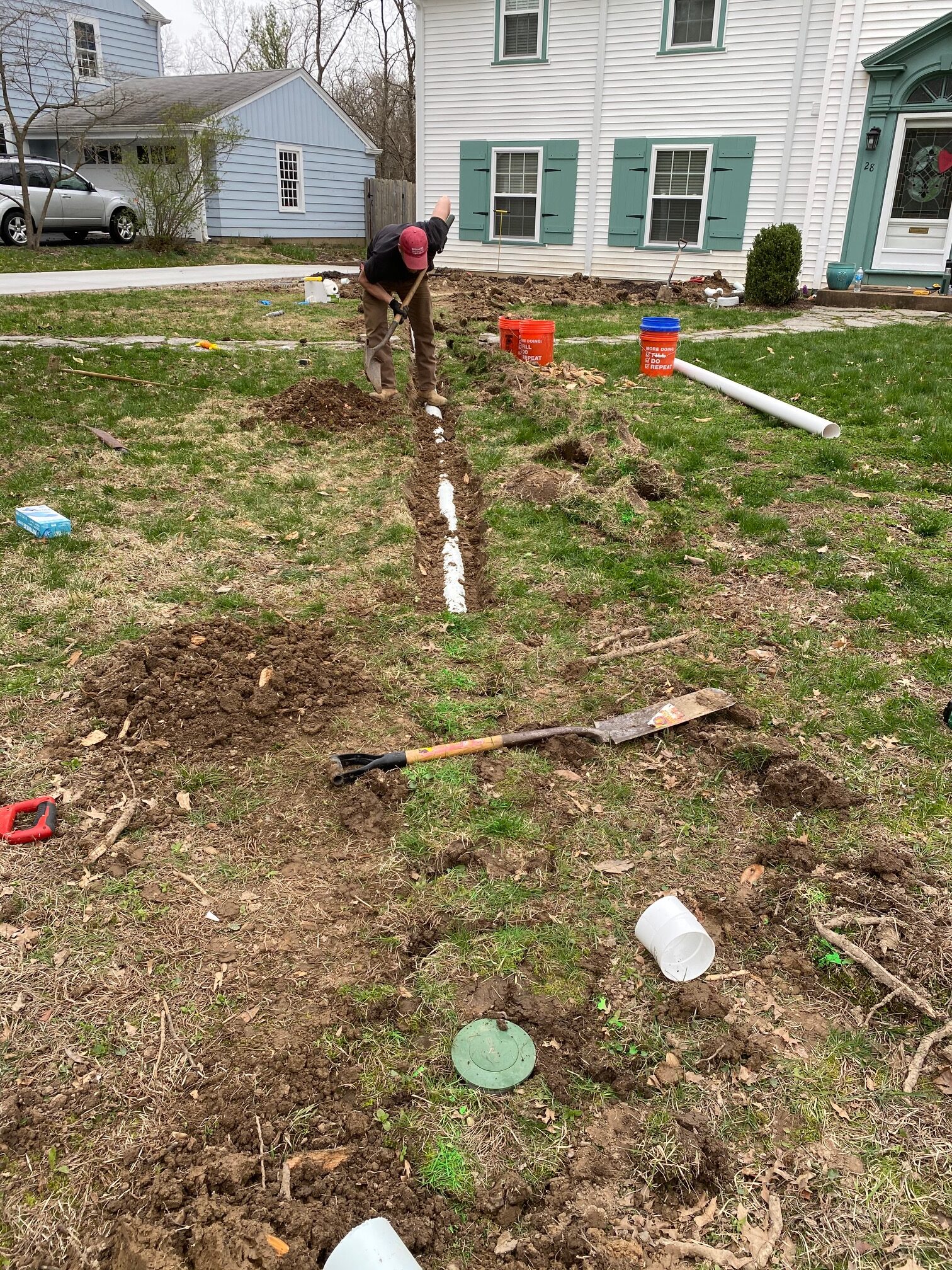
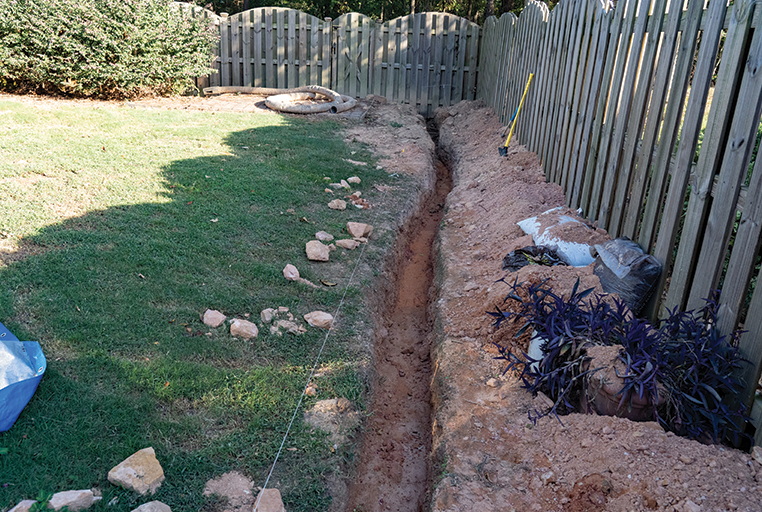
French drains are installed below the surface to collect water from saturated soil and redirect it away from problem areas.
A typical system uses perforated drainage pipe surrounded by clean gravel and filter material. Water enters the pipe and travels through a properly sloped discharge line toward a suitable outlet.
French drains may be used to:
- Drain low or soggy areas
- Intercept water moving toward the home
- Reduce soil saturation near the foundation
- Protect landscaping and outdoor areas
- Direct water toward a gravity outlet or pump system
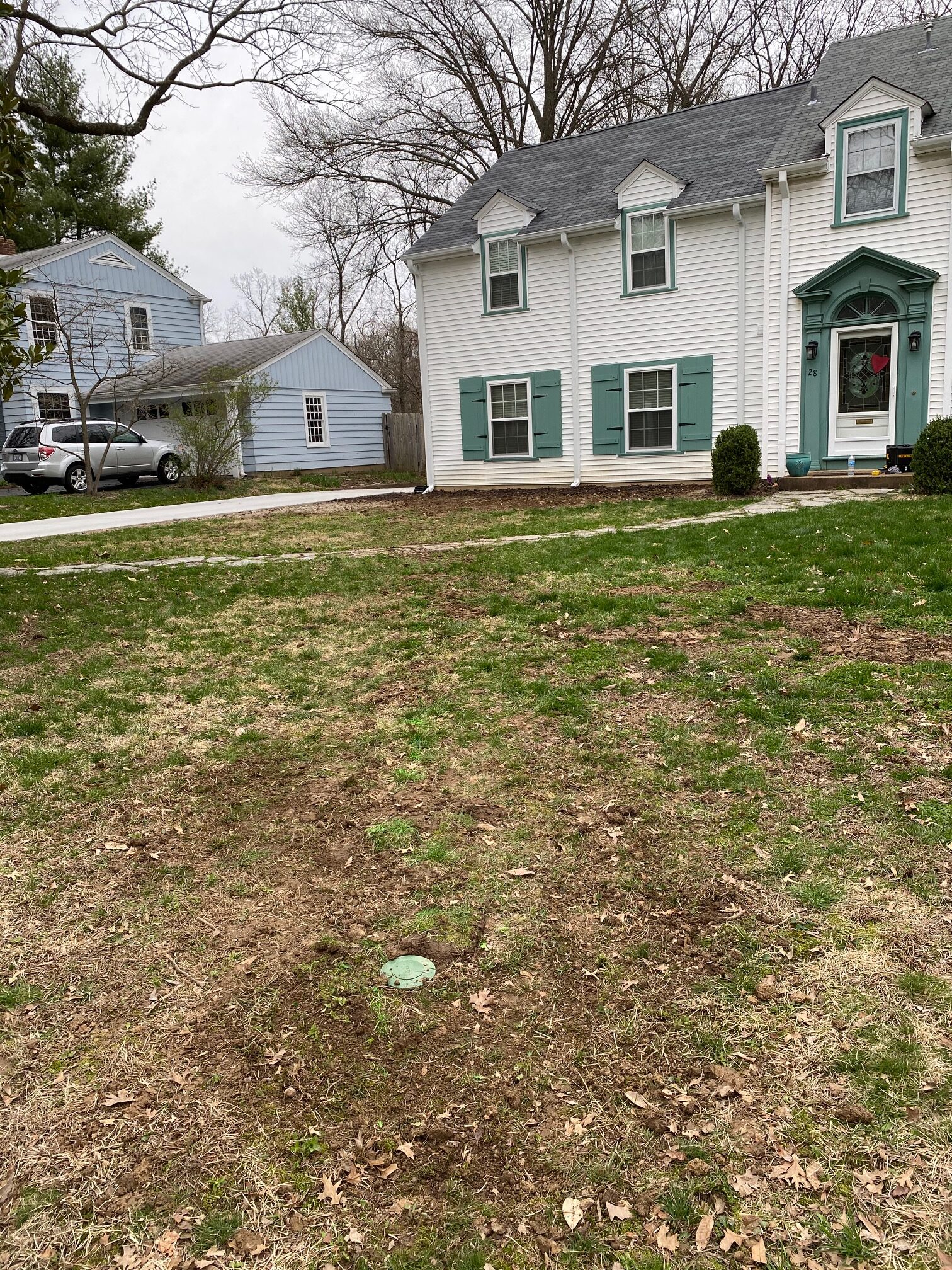
Because the system is installed underground, only limited portions may remain visible after the landscaping is restored.
Downspout Extensions
Downspout extensions carry roof runoff farther away from the foundation. They may be installed above ground or connected to underground discharge piping.
Underground extensions provide a cleaner appearance and reduce the amount of exposed piping in the yard. They can also be routed around decks, patios, landscaping, and other obstacles.
Downspout extensions are often an effective solution when water is collecting near the home because gutters discharge too close to the foundation.
Dry Creek Beds
A dry creek bed creates a controlled path for surface runoff while adding a natural landscaping feature to the property.
The system may include:
- A properly sloped trench
- Filter fabric or liner
- Perforated drainage pipe
- Washed river rock
- Surface or box drains
- A gravity-fed discharge line
Dry creek beds can help manage runoff in areas where water naturally flows across the property or collects in shallow depressions.
Surface and Box Drains
Surface drains collect water from low areas before it spreads across the yard or reaches the home.
The drain inlet is placed at or near ground level and connected to underground piping. Water enters through the grate and is carried to a safe discharge point.
Surface drains may be used near:
- Patios
- Walkways
- Retaining walls
- Low areas
- Landscape beds
- Driveways
- Downspout discharge areas
The number and location of the drains depend on the slope and amount of water moving through the area.
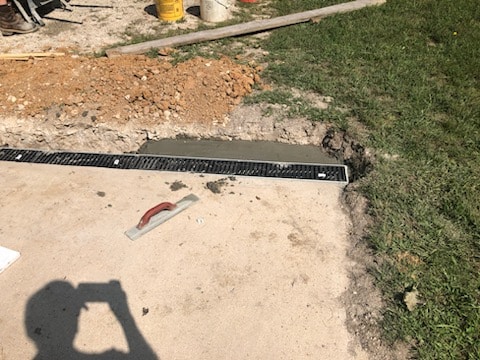
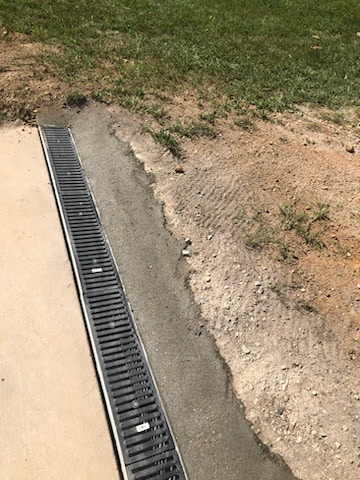
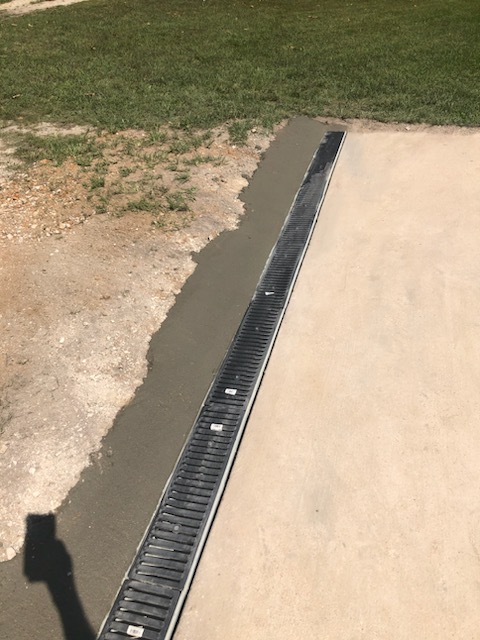
Driveway Channel Drains
A channel drain is installed across a driveway to collect runoff before it reaches a garage, foundation, or other structure.
The driveway is cut, a trench is excavated, and the drain is installed within concrete. A removable vehicle-rated grate covers the drainage channel while allowing water to enter.
The collected water is then directed through underground piping to a gravity outlet or exterior pump system.
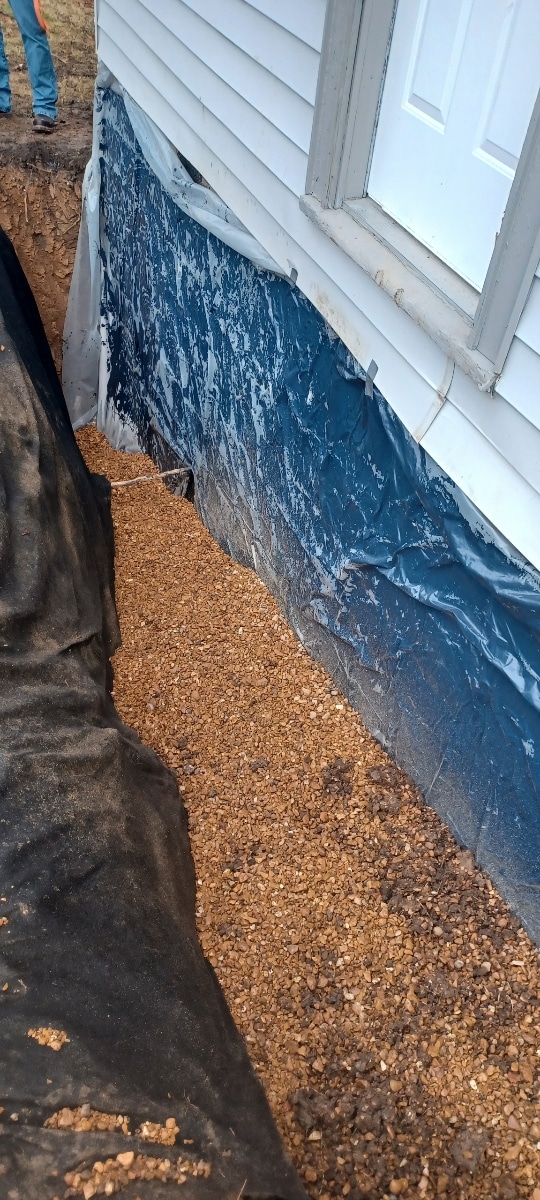
Exterior Footer Drains
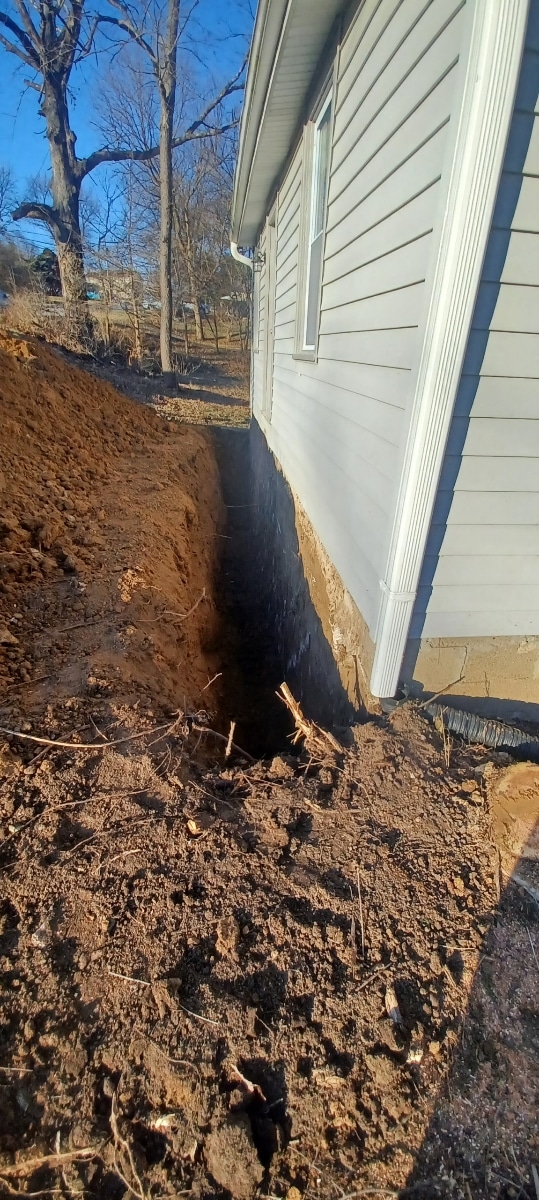
Exterior footer drains collect groundwater near the base of the foundation before it enters the basement.
The drainage pipe is installed around the exterior perimeter at or near footing level. Water is collected and moved toward a gravity discharge point or exterior sump pump system.
This approach may be appropriate when:
- Water is collecting around the foundation
- Interior basement space should remain undisturbed
- Exterior excavation is practical
- An existing footing drain has failed
- Water is entering near the base of the wall
Footer drains involve more excavation than surface drainage systems, so the foundation and surrounding property should be evaluated carefully before installation.
Exterior Sump Pump Systems
An exterior sump pump system may be needed when water cannot be discharged by gravity.
The system typically includes a buried basin, submersible pump, discharge piping, and electrical connection. Water from footer drains, surface drains, or other drainage lines enters the basin and is pumped away from the property.
Exterior sump pumps are often used on properties where elevation, neighboring land, or limited drainage outlets prevent a gravity-fed system from working properly.
Comparing Yard Drainage Solutions
| Drainage Solution | Common Application | Primary Benefit | Installation Area |
|---|---|---|---|
| French drain | Saturated soil and wet yard areas | Collects subsurface water | Below ground |
| Downspout extension | Roof runoff beside the foundation | Moves gutter water away | Above or below ground |
| Dry creek bed | Surface runoff and landscape drainage | Controls water with a natural appearance | Yard surface |
| Surface drain | Low areas and standing water | Captures water at ground level | Yard, patio, or landscape |
| Channel drain | Driveways sloping toward a structure | Intercepts flowing water | Across the driveway |
| Footer drain | Groundwater beside the foundation | Collects water near footing level | Exterior foundation perimeter |
| Exterior sump pump | Sites without gravity drainage | Pumps collected water away | Buried exterior basin |
Some properties need only one drainage improvement. Others may require several components working together to collect, transport, and discharge water safely.
Yard Drainage and Foundation Problems
Water collecting around the home can increase pressure against basement walls and soften the soil supporting the foundation.
Over time, these conditions may contribute to:
- Foundation settlement
- Bowed or cracked basement walls
- Water entering through foundation cracks
- Leakage at the wall-floor joint
- Uneven concrete
- Soil erosion around footings
- Persistent basement humidity
A drainage system cannot reverse existing structural damage, but it can help address one of the conditions contributing to the problem.
Because Perma Jack provides yard drainage, foundation repair, and basement waterproofing services, our team can evaluate how these concerns may be connected.
Yard Drainage and Basement Waterproofing
Yard drainage and basement waterproofing serve different purposes.
A yard drainage system manages water outside the home. It collects roof runoff, surface water, and groundwater and moves it away from the foundation.
A basement waterproofing system manages water that reaches or enters the structure. It may include interior drainage, wall panels, a sump pump, or foundation crack repair.
Improved exterior drainage may be enough when the water problem is caused primarily by:
- Downspouts releasing water beside the home
- Poor grading
- A driveway sloping toward the structure
- Water collecting in low areas
- Concentrated surface runoff
Basement waterproofing may also be needed when:
- Water enters through foundation cracks
- The wall-floor joint leaks
- Groundwater rises beneath the basement floor
- Foundation walls remain damp
- An existing drainage system cannot keep up
Our team will inspect the property and explain whether the problem should be addressed outside, inside, or with a combination of solutions.
Our Yard Drainage Inspection and Installation Process
Inspect the Property
We examine the foundation, yard, gutters, downspouts, driveway, landscaping, and areas where water collects.
Evaluate the Grade
Our team reviews the slope of the property and identifies where water is currently flowing.
Identify the Water Source
We determine whether the problem comes from roof runoff, surface water, groundwater, neighboring properties, or several combined sources.
Select a Discharge Point
The system must direct water toward an appropriate location without creating a new drainage problem elsewhere on the property.
Design the Drainage System
We recommend the drains, piping, pump equipment, and other components needed for the site.
Install and Test the System
Our team installs the selected drainage components and confirms that water can move through the system properly.
Why Choose Perma Jack of St. Louis?
Perma Jack of St. Louis has decades of experience addressing the conditions that contribute to wet basements, foundation movement, and drainage problems.
Our team understands how local clay soil, heavy rain, changing grades, and aging drainage systems affect properties throughout the St. Louis area.
Homeowners and commercial property owners choose us for:
- Decades of local experience
- Property-specific drainage designs
- Multiple exterior drainage options
- Foundation and basement expertise
- Residential and commercial service
- Clear recommendations based on the site
- Solutions for surface water and groundwater
- Professional installation and testing
Our goal is to identify where the water comes from and recommend a drainage system that fits the property rather than applying the same solution to every yard.
Contact Our Yard Drainage Team in St. Louis
Standing water, soggy soil, and runoff collecting near your foundation should not be ignored. A professionally installed drainage system can help move water away from your home and protect your basement, foundation, landscaping, and outdoor areas.
Perma Jack of St. Louis provides customized yard drainage solutions throughout the greater St. Louis area. Our team will inspect your property, identify the source of the water, and recommend a system designed around its drainage needs.
Call 636-225-2553 or complete our online contact form to schedule a yard drainage inspection and estimate.