

Why Is Water Coming Into My Basement After Heavy Rain?
If you’ve ever walked downstairs after a storm and found water on the basement floor, you’re not alone. Basement leaks after heavy rain are among the most common issues homeowners in the St. Louis area face, challenging their basement waterproofing.
Many homes in St. Louis have full basements, and when strong storms roll through, the ground around those foundations can become saturated quickly. Once the soil fills with water, pressure builds against the basement walls. Improper drainage or foundation issues are often the main factors causing water intrusion, as they allow water to penetrate cracks, weak points, or areas where waterproofing is insufficient. If there are cracks, drainage issues, or weak points in the foundation, that water will eventually find a way inside.
For many homeowners, the confusing part is that the basement may stay dry most of the time and only leak during particularly heavy storms. That usually means the problem is related to groundwater pressure or drainage issues around the home, which can compromise the building’s structure over time.
Understanding what causes basement leaks after heavy rain can help you identify the source and prevent the issue from getting worse. Protecting the structure of the building through proper waterproofing and drainage is essential to avoid long-term damage.
Why Basement Leaks Are So Common in St. Louis
One of the biggest factors affecting basements in the St. Louis area is the soil. Much of the region sits on clay-rich soil that holds water rather than draining quickly. When heavy rain falls, the soil absorbs moisture and expands.
As the soil becomes saturated, water begins pushing against the foundation walls. This pressure is called hydrostatic pressure, and it is one of the most common causes of basement leaks.
Because many homes in St. Louis are built with basements below ground level, the foundation walls are constantly surrounded by soil. During heavy rain, the soil can hold a large amount of water, which increases pressure against the foundation.
Effective basement waterproofing and drainage often require specific techniques and materials, which may be required by building codes to prevent water intrusion and structural damage.
Over time, water will begin searching for the easiest path into the basement.
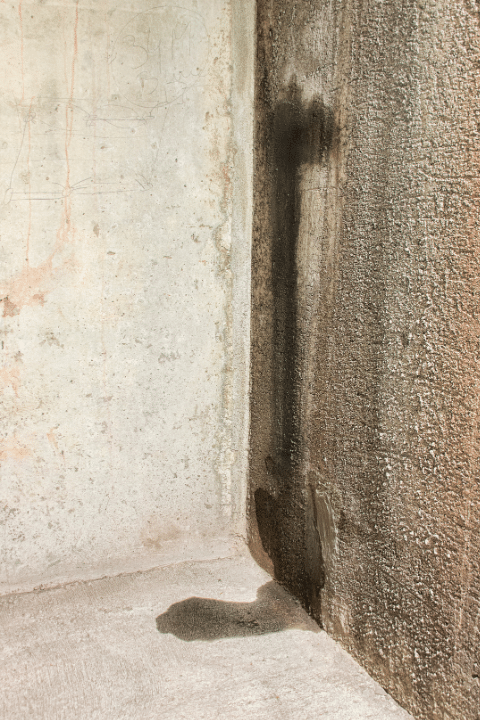
Hydrostatic Pressure and Basement Water
Hydrostatic pressure is something most homeowners are not familiar with, but it plays a major role in basement water problems.
When the soil around your home becomes saturated, groundwater builds up and exerts pressure on the foundation walls and floor. Concrete may appear solid, but it is actually porous. Given enough pressure, water can slowly work its way through tiny pores, cracks, or joints in the concrete.
The most common areas where water appears include:
- The cove joint, where the basement wall meets the floor
- Small cracks in foundation walls
- Cracks in the basement floor
- Gaps around pipes or utility penetrations
When homeowners see water pooling along the edge of the basement floor, hydrostatic pressure is often the cause
Foundation Cracks That Let Water In
Another common reason water enters a basement after heavy rain is foundation cracking.
Over time, foundations naturally develop cracks as the home settles and the soil shifts. In the St. Louis area, clay soils expand when wet and shrink during dry periods. This constant movement places stress on foundation walls.
Even small cracks can become entry points for water during storms.
Common types of cracks that allow basement leaks include:
- Vertical cracks in poured concrete walls
- Horizontal cracks caused by soil pressure
- Stair-step cracks in block foundations
- Floor cracks in basement slabs
Sealing the sides of the foundation walls, especially where cracks are present, is an important step in preventing water from entering through these cracks.
Sometimes these cracks go unnoticed until a heavy rainstorm forces water through them.

Drainage Problems Around the Home
Another common reason water enters a basement after heavy rain is foundation cracking.
Over time, foundations naturally develop cracks as the home settles and the soil shifts. In the St. Louis area, clay soils expand when wet and shrink during dry periods. This constant movement places stress on foundation walls.
Even small cracks can become entry points for water during storms.
Common types of cracks that allow basement leaks include:
Vertical cracks in poured concrete walls
Horizontal cracks caused by soil pressure
Stair-step cracks in block foundations
Floor cracks in basement slabs
Sealing the sides of the foundation walls, especially where cracks are present, is an important step in preventing water from entering through these cracks.
Sometimes these cracks go unnoticed until a heavy rainstorm forces water through them.
Drainage Problems Around the Home
Exterior drainage problems are another major cause of basement leaks.
If rainwater is not directed away from the home properly, it will collect around the foundation. When that happens, the amount of water pressure against the basement walls increases significantly.
Some of the most common drainage issues we see around St. Louis homes include:
- Clogged gutters that overflow during storms
- Downspouts that discharge water too close to the foundation
- Yard grading that lacks proper slope and does not control water flow away from the house, leading to pooling near the foundation
- Landscaping that traps water near the foundation
Connecting downspouts to a drainage system is a good way to lead water away from the foundation and prevent pooling in problem spots. Patios are also common places where water can collect if not properly graded; installing gravel borders or trench drains can help improve runoff. Using gutter covers is important to prevent things like leaves and debris from clogging the system and blocking water flow. Some drainage solutions require you to dig to install pipes or catch basins in the right place to control water movement. A properly installed drainage system is essential for controlling water flow and preventing damage.
Because clay soil drains slowly, water can remain around the foundation for long periods after a storm. The longer it sits there, the greater the chance it will find its way into the basement.
Window Wells That Fill With Water
Basement window wells can also be a source of leaks during heavy rain.
If the window well does not have proper drainage, rainwater can collect in the well and eventually overflow through the window frame.
This can happen when:
- Window well drains become clogged with leaves or debris
- The well is not deep enough to handle heavy rain
- The surrounding soil directs water toward the window
Keeping window wells clear and ensuring proper drainage can help reduce this risk.
Sump Pump Problems
Many homes in St. Louis rely on sump pumps to manage groundwater around the basement.
A sump pump collects water from the drainage system beneath the basement floor and pumps it away from the home. During heavy rain, the pump may run frequently as groundwater levels rise.
However, if the sump pump stops working or becomes overwhelmed, water can begin accumulating in the basement.
Common sump pump issues include:
- Power outages during storms
- Mechanical failure of the pump
- Clogged discharge lines
- Pumps that are undersized for the amount of groundwater
This is why many homeowners install backup sump pump systems to provide protection during severe storms.
The Best Way to Stop Basement Leaks
When water enters a basement after heavy rain, it usually means there is an underlying drainage or waterproofing problem that needs to be addressed.
Permanent solutions often involve identifying where the water is coming from and relieving the pressure around the foundation.
Common waterproofing solutions may include:
- Foundation crack repair
- Interior basement drainage systems
- Sump pump installation or upgrades
- Exterior drainage improvements
- Foundation waterproofing systems
The goal is to redirect water away from the foundation instead of allowing it to build pressure against the basement walls.
Basement Waterproofing in St. Louis
At Perma Jack of St. Louis, we regularly help homeowners solve basement leaks caused by heavy rain and groundwater pressure. The combination of clay soil, strong storms, and aging foundations makes water intrusion a common issue throughout the region. Our team evaluates the source of the problem and recommends solutions designed to keep basements dry.
Depending on the situation, this may include crack repair, drainage systems, sump pump installation, or complete basement waterproofing solutions. Every home is different, which is why identifying the root cause of the leak is always the first step.
Protecting Your Basement from Future Storms
Heavy rain is a normal part of life in the St. Louis area, but basement flooding does not have to be.
By improving drainage, repairing foundation issues, and installing proper waterproofing systems, homeowners can significantly reduce the risk of water entering the basement during storms. Ensuring good air movement and aeration in the soil and around the foundation can also help prevent water accumulation and improve drainage.
If you are noticing water in your basement after heavy rain, addressing the problem early can help prevent more serious foundation damage and costly repairs later.
Contact Perma Jack of St. Louis for Basement Waterproofing
If water is entering your basement after heavy rain, it’s usually a sign that something around the foundation isn’t working the way it should. Whether the issue is hydrostatic pressure, drainage problems, foundation cracks, or a failing sump pump, identifying the source of the problem is the first step toward fixing it..
Contact Perma Jack of St. Louis today to schedule a professional inspection and learn what waterproofing or drainage solutions may be right for your home. Our team proudly serves homeowners throughout St. Louis and the surrounding communities.