

Is Water on My Basement Floor a Serious Problem or Just Condensation?
If you’ve noticed water on your basement floor, your first thought is probably, “Where is this coming from?” Sometimes it’s obvious. After a heavy rain, you see water along the walls or pooling in one area. Other times, it’s less clear. The floor looks damp, maybe there’s a slight musty smell, but you don’t see an active leak.
A common question homeowners in St. Louis ask is whether this is a serious problem or just condensation.
The answer depends on what’s causing the moisture, and in many cases, what looks like minor condensation can actually point to a bigger issue.
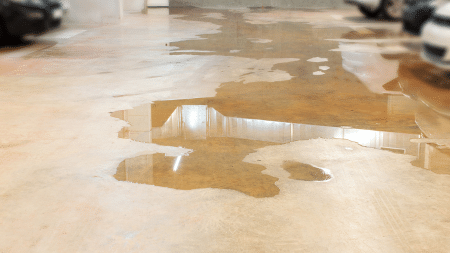
The Difference Between Condensation and Water Intrusion
Before jumping to conclusions, it helps to understand the difference.
Condensation happens when warm, humid air comes into contact with a cooler surface, like a basement floor. Moisture in the air turns into water droplets, similar to how a cold drink “sweats” on a hot day.
Water intrusion, on the other hand, is when water enters the basement from outside. This usually involves groundwater, drainage problems, or foundation issues.
The challenge is that both can leave water on your basement floor, and they can sometimes look very similar.
Why This Is So Common in St. Louis
In the St. Louis area, both condensation and water intrusion are common because of the environment.
The region has:
- Clay-heavy soil that holds moisture
- Seasonal humidity, especially in the summer
- Heavy rain events that saturate the ground
- Freeze-thaw cycles that affect soil and foundations
Because of these conditions, basements are constantly exposed to moisture, both from the air and from the ground outside.
That’s why it’s important to determine which one you’re dealing with.
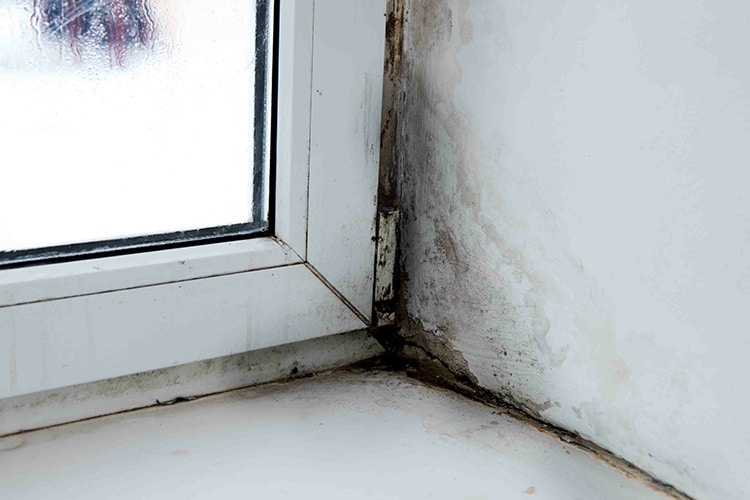
Signs It Might Be Condensation
Condensation is usually related to humidity inside the basement rather than water coming through the foundation.
You’re more likely dealing with condensation if:
- The moisture appears evenly across the floor, not just in one spot
- It shows up during humid weather, especially in summer
- There are no visible cracks or entry points nearby
- Walls and edges remain mostly dry
- The basement feels damp or humid overall
In these cases, the issue is often air moisture collecting on cool surfaces like concrete floors.
Signs It Might Be a Bigger Problem
If the water is coming from outside, it usually behaves differently.
Water intrusion tends to show up in specific areas and often gets worse during or after rain.
Signs that point to a more serious issue include:
Water pooling along the edges of the basement floor
Moisture near the cove joint where the wall meets the floor
Visible cracks in the floor or foundation walls
Water appearing after heavy rain or snowmelt
A musty smell that doesn’t go away
These are strong indicators that water is entering the basement due to hydrostatic pressure or drainage issues.
The Role of Hydrostatic Pressure
In St. Louis, one of the most common causes of basement water is hydrostatic pressure. When the soil around your home becomes saturated, it builds pressure against the foundation. Over time, that pressure pushes water toward the basement walls and floor. Concrete is not completely waterproof. It allows moisture to pass through, especially under pressure.
Water often enters through:
- The cove joint
- Floor cracks
- Small gaps around pipes
Porous concrete surfaces
This is why water may appear on the basement floor even if you don’t see a clear leak.
Why Condensation Still Matters
Even if the issue turns out to be condensation, it should not be ignored.
Excess moisture in the basement can lead to:
- Mold and mildew growth
- Musty odors
- Damage to stored items
- Increased humidity throughout the home
Over time, persistent condensation can also signal poor ventilation or underlying moisture problems that need attention.
How to Tell the Difference
If you’re unsure what you’re dealing with, there are a few simple ways to narrow it down.
Pay attention to when and where the moisture appears:
- Does it show up after rain? That points to water intrusion
- Does it appear during humid days? That suggests condensation
- Is it concentrated near walls or cracks? Likely a leak
- Is it spread across the floor evenly? More likely condensation
In many cases, homeowners are dealing with a combination of both.
The Right Way to Fix the Problem
The solution depends on the source of the moisture.
For condensation, improving airflow and reducing humidity can help. This might involve ventilation improvements or dehumidification.
For water intrusion, the focus shifts to controlling water outside the home and relieving pressure around the foundation.
Common long-term solutions include:
- Improving exterior drainage
- Installing interior drainage systems
- Sealing foundation cracks
- Installing or upgrading sump pumps
- Basement waterproofing systems
The goal is to stop water from reaching the basement in the first place
Basement Waterproofing in St. Louis
At Perma Jack of St. Louis, we help homeowners figure out exactly what’s causing moisture in their basements.
In many cases, what appears to be condensation turns out to be early signs of a larger drainage or waterproofing issue. The combination of clay soil, groundwater pressure, and seasonal weather makes basement moisture problems very common in this area.
Our team evaluates the source of the problem and recommends solutions designed to keep basements dry long-term.
Don’t Guess When It Comes to Basement Water
Water on your basement floor might seem minor at first, but it’s not something you want to ignore. Whether it’s condensation or water intrusion, moisture is usually a sign that something needs attention. The sooner you identify the cause, the easier it is to fix. If you’re unsure what’s causing the issue, having it evaluated can help you avoid bigger problems down the road.
Contact Perma Jack of St. Louis
If you’re seeing water on your basement floor and aren’t sure where it’s coming from, it’s worth taking a closer look.
At Perma Jack of St. Louis, we help homeowners identify the source of basement moisture and recommend the right solution, whether it’s a drainage issue, foundation problem, or humidity concern. Contact Perma Jack of St. Louis today to schedule a professional inspection and get answers before the problem gets worse.