


Why Does My Basement Smell Musty Even If I Don’t See Water?
If your basement has a musty smell but you don’t see any standing water, it’s easy to assume it’s not a serious issue. Maybe it comes and goes, or you’ve gotten used to it over time.
In reality, that smell is usually a warning sign.
In the St. Louis area, musty basement odors are often tied to hidden moisture problems. Even if water is not visibly present, moisture can still be entering or building up around your foundation. Over time, that creates the conditions for mold, mildew, and air quality issues inside your home.
Understanding what causes that smell is the first step toward fixing it.

What Causes That Musty Basement Smell?
A musty smell is almost always caused by moisture and organic growth. Mold and mildew thrive in damp, enclosed environments, and basements provide the perfect conditions for that to happen.
The smell itself is typically the result of microbial growth breaking down organic materials such as wood, dust, or insulation.
Even if you don’t see water, that doesn’t mean moisture isn’t present. In many cases, the problem is happening behind walls, under flooring, or in the air itself.
Why This Is So Common in St. Louis
Basement moisture issues are especially common in the St. Louis area because of the soil and climate.
Much of the region sits on clay-heavy soil that holds moisture instead of draining it. After heavy rain, that soil becomes saturated and stays wet for extended periods. This creates constant pressure and humidity around basement walls.
St. Louis also experiences seasonal humidity, temperature swings, and storms throughout the year. All of these factors contribute to moisture buildup, even in basements that appear dry.
That’s why many homeowners notice musty smells without ever seeing visible water.
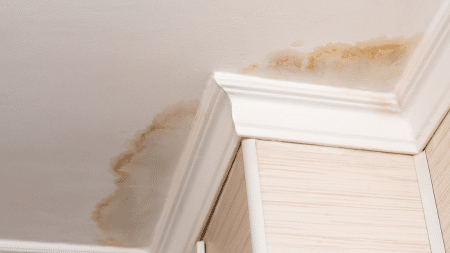
Hidden Moisture You Can’t See
One of the biggest misconceptions is that moisture problems always show up as puddles or leaks. In reality, most basement moisture issues are much more subtle.
Moisture can enter your basement in several ways:
- Water vapor passing through porous concrete walls and floors
- Small, slow leaks through foundation cracks
- Humid air entering the basement and condensing on cooler surfaces
- Groundwater pressure forcing moisture through the foundation
Over time, this hidden moisture creates a damp environment that allows mold and mildew to grow.
The Role of Hydrostatic Pressure
Hydrostatic pressure is one of the main contributors to moisture problems in St. Louis basements.
When the soil around your home becomes saturated, groundwater builds up and presses against the foundation walls. Even if water does not visibly leak inside, that pressure can push moisture through the concrete.
Concrete is not waterproof. It allows small amounts of moisture to pass through, especially under pressure.
This means your basement can feel dry to touch while still holding elevated moisture levels in the air and materials.
Common Signs of a Moisture Problem
Even if you don’t see water, there are usually other signs that moisture is present.
Some of the most common indicators include:
A persistent musty or damp smell
White, chalky residue on basement walls (efflorescence)
Peeling paint or discoloration on walls
Warped wood or soft materials
Increased humidity or a damp feeling in the air
These signs often point to ongoing moisture issues that need to be addressed.
Mold and Air Quality Concerns
A musty basement smell is more than just unpleasant. It can also affect the air quality throughout your home.
Air from the basement often circulates upward into the main living areas. When mold or mildew is present, those particles can spread through the home.
This can lead to:
- Allergies or respiratory irritation
- Lingering odors throughout the house
- Increased humidity indoors
Addressing the source of the moisture is important not just for your basement, but for your entire home.
Why the Problem Gets Worse Over Time
Moisture problems rarely stay the same. If left untreated, they tend to get worse.
As moisture continues to enter the basement, it can:
- Encourage more mold growth
- Weaken building materials over time
- Lead to visible water intrusion later on
- Increase the risk of foundation damage
What starts as a smell can eventually turn into a more serious structural or waterproofing issue.
The Right Way to Fix a Musty Basement
Eliminating the smell means eliminating the moisture source.
Temporary fixes like air fresheners or dehumidifiers may reduce the odor, but they don’t solve the underlying problem. Long-term solutions focus on controlling how moisture enters and behaves around your foundation.
Depending on the situation, solutions may include:
- Sealing foundation cracks
- Installing interior drainage systems
- Improving exterior drainage around the home
- Installing or upgrading sump pump systems
- Basement waterproofing solutions to control groundwater
The goal is to reduce moisture levels and prevent water from entering the basement in the first place.
Basement Waterproofing in St. Louis
At Perma Jack of St. Louis, musty basement odors are often one of the first signs homeowners notice before discovering a larger moisture problem.
The combination of clay soil, groundwater pressure, and seasonal weather makes hidden moisture issues common in this area. Our team evaluates the source of the problem and recommends solutions designed to keep basements dry and improve air quality.
In many cases, addressing moisture early can prevent more serious issues down the line.
Don’t Ignore That Musty Smell
If your basement smells musty, there’s usually a reason.
Even without visible water, that smell is often a sign that moisture is present and creating the conditions for mold and long-term damage. Addressing it early can help protect your home, improve air quality, and prevent more costly repairs later.
If you’re noticing a persistent odor in your basement, it’s worth having the space evaluated before the problem gets worse.
Contact Perma Jack of St. Louis
If your basement smells musty, even without visible water, it may be a sign of hidden moisture or drainage issues around your foundation.
At Perma Jack of St. Louis, we help homeowners identify the source of basement moisture and provide long-term waterproofing solutions designed to keep your home dry.
Contact Perma Jack of St. Louis today to schedule a professional inspection and find out what’s causing the problem and how to fix it. Our team proudly serves homeowners throughout St. Louis and the surrounding communities.