


Have you started noticing new cracks in your basement walls or along the outside of your home and wondered if they are normal? Many homeowners across the St. Louis metro area ask the same question. Some cracks are cosmetic and relatively harmless. Others are early warnings of foundation settlement or structural problems that should be addressed quickly.
At Perma Jack of St. Louis, we inspect and repair foundations throughout St. Louis, St. Charles, Jefferson County, and surrounding areas. Not every crack is an emergency, but no crack should be ignored. Understanding what you are seeing is the first step in protecting your home.
In this guide, we will cover:
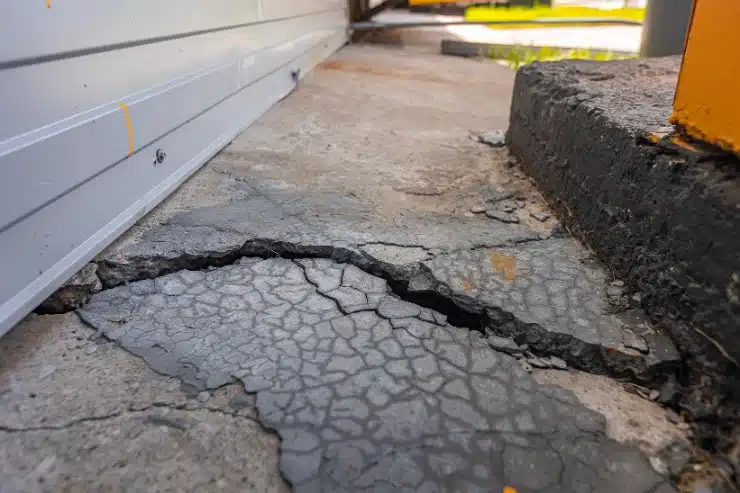
Homes in and around St. Louis are built on a mix of expansive clay soils, fill soils, and older backfill. These soils are very sensitive to moisture changes. When they get wet, they swell. When they dry out, they shrink. Over time this movement can put a lot of stress on your foundation.
Common factors that contribute to cracking in our area include:
Older brick homes in the city, ranch homes in South County, and newer construction in areas like O’Fallon or Wentzville can all experience cracks caused by soil movement and settlement.
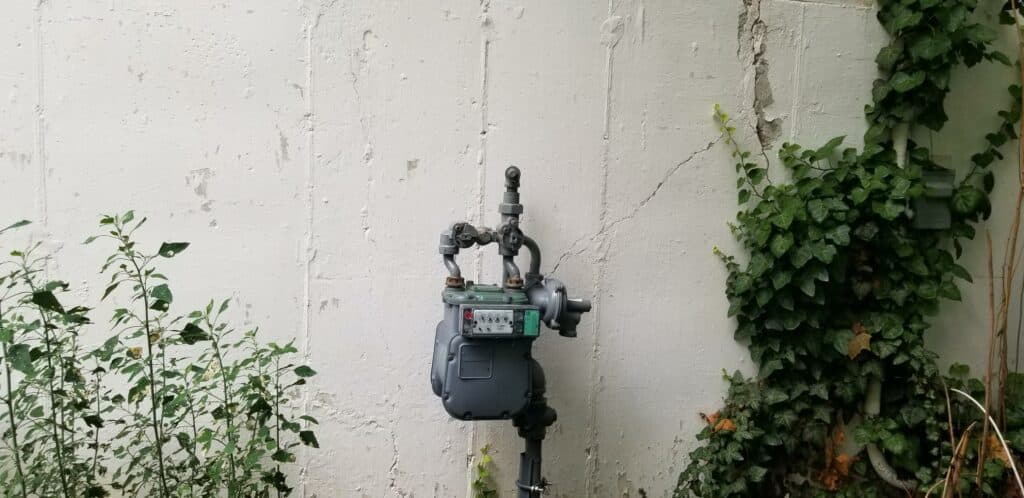
The direction, size, and location of a crack all offer clues about whether you are dealing with normal movement or a more serious foundation issue.
What they look like:
What they usually mean:
These are often related to normal curing and shrinkage of concrete. On their own, they are usually not structural problems. However, they can still let moisture seep through and may worsen over time if other issues are present.
When to be concerned:
In older homes around Kirkwood, Webster Groves, and South County, these cracks often appear in plaster or drywall and widen over time.
What they look like:
What they may mean:
Vertical cracks can be related to minor settlement or shrinkage. However, if they grow wider or occur in multiple areas, they can indicate differential settlement, where one part of the foundation is moving more than another.
When to worry:
What they look like:
What they may mean:
Diagonal cracks are often associated with uneven foundation settlement. In finished areas, you may also see diagonal cracks in drywall above doors and windows. These are clues that part of the foundation is dropping or shifting more than the rest.
When to worry:
These issues are especially common in areas like Chesterfield and Ballwin, where homes sit on expansive clay soils.
What they look like:
What they may mean:
Stair-step cracks are a classic sign of foundation settlement and movement. When the foundation shifts, the rigid brick or block walls above it respond by cracking along the mortar lines.
When to worry:
If you live in an older brick home in St. Louis city or in established neighborhoods like Kirkwood or Webster Groves, stair-step cracks are a very important sign that should be evaluated.
Horizontal cracks or bowing are serious and should be evaluated by a structural professional immediately.
What they look like:
What they may mean:
Horizontal cracks are often caused by lateral pressure from soil pushing against the wall. In our region, saturated clay soils, hydrostatic pressure, and freeze thaw cycles can all increase this pressure.
Horizontal cracks can be associated with:
When to worry:
Horizontal cracks are considered serious and should be looked at promptly. If you also see bowing, bulging, or inward deflection of the wall, you should contact a foundation specialist as soon as possible.
These can indicate one part of your home is sinking faster than another.

Some cracks are more about appearance than structure, especially if:
Even so, it is smart to keep an eye on them. Take pictures, note the date, and check periodically for changes in length or width.
You should reach out for a professional foundation evaluation if you notice:
These signs often indicate active foundation settlement or soil movement, not just cosmetic changes.
Perma Jack does more than simply patch cracks. We look for the cause of the cracking and design a repair solution that addresses the underlying foundation problem.
Depending on what we find, our recommendations may include:
All solutions are based on decades of experience with local soils and St. Louis weather patterns, and are designed to provide long term stability.
If you have noticed foundation cracks in your St. Louis area home, do not rely on guesswork. An early evaluation can help you avoid more serious damage and higher repair costs later.
Perma Jack of St. Louis offers thorough foundation inspections and honest recommendations. We will explain what your cracks mean, whether you should be concerned, and what options you have to protect your home. Contact Perma Jack of St. Louis today to schedule a foundation evaluation and find out what your foundation cracks are really telling you.
All solutions are based on decades of experience with local soils and St. Louis weather patterns, and are designed to provide long term stability.