

How Groundwater Affects Your Foundation
A lot of homeowners assume foundation problems only happen in older homes or after years of neglect. But sometimes all it takes is one major rain event. That’s because groundwater pressure can build up around a home long before there are visible warning signs. And once the soil around the foundation becomes saturated enough, the pressure can overwhelm areas that had never shown problems before.
A Real Example of How Fast Things Can Change
Our team at Perma Jack of St. Louis was recently called out to a home that had never experienced basement water problems before. The homeowner had lived there for years without any flooding, standing water, or noticeable moisture issues. But after a major rain event moved through the area, they started noticing something unusual in the finished basement. The carpet felt damp in certain spots. At first, they assumed it might have been a minor spill, condensation issue, or possibly water coming in from a door. But once sections of the carpet were pulled back during the inspection, the real issue became obvious. Moisture had worked its way underneath the carpet pad, and cracks had formed across portions of the basement floor slab.
What we found was excessive groundwater pressure building beneath the foundation due to the saturated clay-heavy soil around the home. The rain event created enough pressure underneath the slab that water began forcing its way upward through newly formed stress cracks in the floor. The homeowner had never had a waterproofing problem before, but this storm pushed the property beyond what the foundation and surrounding soil conditions could handle.
What Is The Clay Bowl Effect
In the St. Louis area, many homes sit on clay-heavy soil. Clay absorbs and holds water differently than sandy or looser soil. Once it becomes saturated, it expands and traps moisture around the home. This creates what’s commonly referred to as the “clay bowl effect.” After construction, the soil backfilled around the foundation is usually looser than the untouched soil farther away from the home. Over time, water naturally collects in that softer backfilled area around the foundation. During heavy rain events, that area acts almost like a bowl holding water against the basement walls and floor.
What Happens When Groundwater Pressure Builds
pressure pushes:
- Against basement walls
- Underneath the basement floor slab
- Into cracks and weak points in the concrete
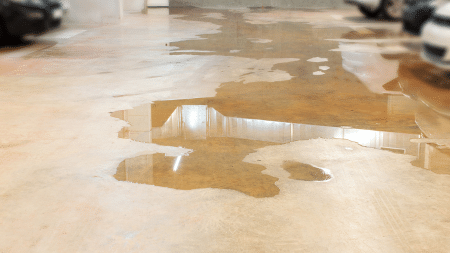
Why the Water Came Through the Floor
Most homeowners expect water to come through walls. But groundwater pressure often affects the basement floor too. Concrete floors are not waterproof. When pressure builds underneath the slab, water looks for the path of least resistance.
That can include:
Existing hairline cracks
Expansion joints
Newly formed stress cracks
Once enough pressure builds, moisture can work its way directly into the finished basement.
Why This Happens Even in Homes Without Prior Issues
This is one of the biggest misconceptions homeowners have. They assume:
“We’ve never had water before, so we don’t need waterproofing.”
But groundwater conditions can change dramatically during extreme rain events. In St. Louis, factors like:
- Saturated clay soil
- Extended rainfall
- Sudden heavy storms
- Poor exterior drainage
Can create pressure levels the home has never experienced before. Sometimes one major event is enough to expose a vulnerability that had been building quietly for years.
Signs Groundwater Is Affecting Your Foundation
Not every home experiences dramatic flooding immediately. Early signs often include:
- Damp carpet or flooring
- Musty basement odors
- Efflorescence on concrete surfaces
- Hairline cracks in the floor or walls
- Water appearing after heavy rain only
These are often signs that groundwater pressure is increasing around the home.
Why Finished Basements Are Especially Vulnerable
Finished basements hide moisture problems well. Water entering beneath flooring or behind walls may not become obvious until:
- Carpet padding becomes soaked
- Flooring begins warping
- Mold or odors develop
By the time visible symptoms appear, moisture may have already spread through finished materials.
How Waterproofing Helps Manage Groundwater
The goal of waterproofing is not just stopping visible water. It’s controlling groundwater pressure before it enters the home. That often involves:
- Interior drainage systems
- Sump pump systems
- Drain tile systems beneath the slab
- Exterior drainage improvements
These systems relieve pressure and give groundwater a controlled path away from the foundation.
What Most Homeowners Get Wrong
A common mistake is assuming waterproofing is only necessary after repeated flooding. The reality is many homes are one major storm away from discovering a groundwater issue they never knew existed. Another misconception is that cracks themselves are the primary issue. In most cases, the real problem is the pressure surrounding the home.
Why St. Louis Homes Are Particularly Susceptible
The St. Louis area sees a combination of conditions that make groundwater pressure a major issue:
- Clay-heavy soil
- Large seasonal rain events
- Freeze-thaw cycles
- Expanding and contracting soil conditions
All of these increase stress on foundations over time.
Final Thoughts
Groundwater doesn’t need a visible flood to affect your home.
Sometimes pressure builds silently beneath and around the foundation until one major rain event pushes the system beyond its limit.
That’s when cracks appear, water seeps in, and homeowners suddenly realize the issue had been developing long before they saw visible signs.
Contact Us For Expert Waterproofing in St. Louis
If you’ve noticed damp flooring, cracks in your basement slab, or moisture appearing after heavy rain, it’s worth having your foundation and drainage system evaluated. We help homeowners identify how groundwater is affecting their foundation and install solutions to manage pressure and keep basements dry in the long term.
Contact our team today to schedule an inspection and get a clearer understanding of what’s happening beneath your home.