


What Are the Signs of Foundation Settlement?
If you’re a homeowner in the St. Louis area, noticing cracks in your walls or sloping floors can be more than just cosmetic concerns—they could be warning signs of foundation settlement. With our region’s expansive clay soils, fluctuating temperatures, and frequent rainfall, foundation issues are common throughout St. Louis and the surrounding counties.
In this article, we’ll explain what foundation settlement is, why it happens in Missouri, and the most common symptoms you can watch for in and around your home.
What Is Foundation Settlement?
Foundation settlement occurs when the soil beneath your home shifts, compresses, or erodes, causing your foundation to sink unevenly. Over time, this can lead to structural problems and serious damage to your home. In St. Louis, this often happens due to:
- Expansive clay soils that swell when wet and shrink when dry
- Poor drainage or water accumulation around the foundation
- Tree roots or landscaping that disrupt the soil
- Poor compaction of soil during initial construction
Because the underlying soil is unstable, different parts of your foundation can settle at different rates, resulting in what’s called differential settlement.
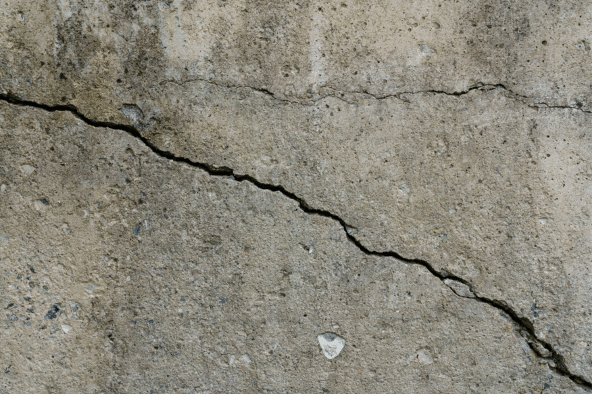
Top Signs of Foundation Settlement in St. Louis Homes
Here are the most common indicators that your foundation may be settling. If you’re noticing any of these signs, it’s important to take action before the problem gets worse.
1. Cracks in Walls or Ceilings
Cracks are one of the earliest and most visible signs of foundation movement. Look for:
- Stair-step cracks in brick or block walls
- Vertical or diagonal cracks near doors and windows
- Cracks where walls meet ceilings
In older homes around Kirkwood, Webster Groves, and South County, these cracks often appear in plaster or drywall and widen over time.
2. Uneven or Sloping Floors
If your floors feel like they’re dipping or slanting, it could be more than just age—it may be your foundation shifting beneath you. You might also notice:
- Floors that feel bouncy or saggy
- Gaps forming between floors and baseboards
- Difficulty placing furniture evenly
3. Doors and Windows That Stick
When your foundation moves, it can distort the shape of door and window frames. This results in:
- Doors or windows that stick or won’t latch
- Gaps around window frames
- Diagonal cracks above door corners
These issues are especially common in areas like Chesterfield and Ballwin, where homes sit on expansive clay soils.
4. Basement Wall Cracks or Bowing
St. Louis basements are especially prone to moisture issues. If you see cracks or inward bowing in your basement walls, it could be caused by:
- Hydrostatic pressure from wet soil
- Freeze-thaw cycles that expand and contract the soil
- Settlement putting stress on the foundation walls
Horizontal cracks or bowing are serious and should be evaluated by a structural professional immediately.
5. Gaps Around Exterior Trim or Chimney Separation
On the outside of your home, check for:
- Gaps between the siding and window trim
- Chimneys that lean or separate from the house
- Cracks in foundation walls near corners
These can indicate one part of your home is sinking faster than another.

Why St. Louis Homes Are Prone to Settlement
The unique combination of Missouri clay soil, wet springs, and dry summers causes the ground to repeatedly expand and shrink. Over time, this stresses foundations, especially if the home was built without deep pilings or piers.
Older homes in areas like Maplewood, University City, and The Hill are especially vulnerable, but even newer construction in O’Fallon or Wentzville can show signs of settlement if grading and drainage are poor.
What to Do if You Notice the Signs
Foundation settlement does not fix itself—and it usually gets worse the longer you wait. If you’re seeing any of the signs listed above, now is the time to act.
At Perma Jack of St. Louis, we’ve helped homeowners throughout the metro area with expert foundation repair services using proven, engineer-backed systems such as:
- Steel push piers to permanently stabilize your foundation
- Helical piers for lighter structures or where soil conditions demand it
- Wall bracing systems for bowing or shifting foundation walls
We’ll assess the situation and design a repair plan tailored to your home’s unique soil and structural conditions.