
How To Protect Your Home From Foundation Damage in the Fall
As the leaves begin to fall and temperatures drop, it’s time to start thinking about protecting your home—not just from cold weather, but from seasonal foundation damage. Fall brings a unique combination of moisture, temperature shifts, and soil changes that can silently compromise your home’s structural stability.
At Perma-Jack of St. Louis, we specialize in helping homeowners identify and prevent the signs of foundation failure. Below, we’ll walk you through the most common fall-related threats to your foundation and what you can do to stop damage before it starts.
Things To Watch For This Fall
1. Foundation Cracks: Small Gaps Can Lead to Big Problems
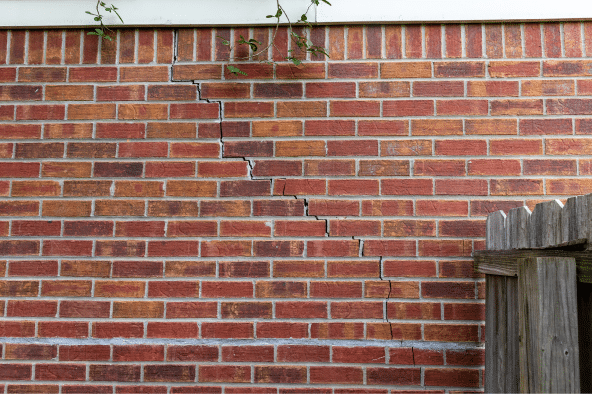
Cracks in your foundation walls or floors can become worse in the fall as outside temperatures fluctuate. When cooler air arrives, it causes contraction in both soil and concrete, making existing cracks widen. If left unchecked, these cracks allow water to seep into your basement or crawl space—leading to even more damage over time.
Fall Tip: Walk around your home’s perimeter and inspect both interior and exterior foundation walls. Look for vertical, diagonal, or horizontal cracks. Even small ones can be signs of foundation settlement or shifting soils.
2. Freeze-Thaw Cycles: Expansion and Contraction Stress Your Foundation
In St. Louis, it’s not uncommon for temperatures to fluctuate dramatically in the fall. These freeze-thaw cycles can cause water in the soil—and inside small foundation cracks—to freeze and expand, then thaw and contract repeatedly. This cycle puts continuous pressure on your foundation walls and can cause them to bow, crack, or shift over time.
Fall Tip: Ensure that your gutters and downspouts are functioning properly to divert water away from the foundation before it has a chance to freeze near the base of your home.
3. Expansive Soils: Seasonal Moisture Swings
Clay-rich soils, which are common in the St. Louis area, expand when wet and shrink when dry. During fall, as the soil absorbs moisture from rain and decaying foliage, it can push against foundation walls. When it dries out again—especially near the surface—it leaves voids that lead to foundation settlement.
Fall Tip: Use landscaping techniques and proper grading to ensure water drains away from your home rather than pooling near the base.
4. Hydrostatic Pressure: Invisible Force Behind Leaks and Bowed Walls
When the soil around your home becomes saturated from heavy fall rains or melting frost, it creates hydrostatic pressure. This is the force exerted by standing water in the soil pressing against your foundation walls. Over time, this pressure can lead to leaky wall cracks, bowed walls, or even wall failure.
Fall Tip: If your basement tends to feel damp in the fall, consider a professional waterproofing inspection. Drain tile systems and sump pumps may be necessary to relieve underground pressure.
5. Bowed Walls: A Red Flag for Lateral Pressure
Bowing or bulging basement walls are one of the most obvious signs that something’s wrong beneath the surface. They’re often caused by long-term pressure from wet soil pushing inward. Fall rains, especially after a dry summer, can dramatically increase soil weight and moisture content, worsening the problem.
Fall Tip: If you notice walls that curve inward or horizontal cracks forming, contact a foundation repair expert right away. Perma-Jack can stabilize and straighten bowed walls using proven techniques like wall anchors or steel I-beams.
6. Foundation Settlement: Why Fall Conditions Make It Worse
As the ground becomes saturated or erodes during fall, areas beneath your foundation may begin to sink unevenly, leading to differential settlement. Signs include sloping floors, sticking doors, and cracks in walls or ceilings.
Fall Tip: Catching settlement early is key to avoiding major structural repairs. If your home has experienced water pooling near the foundation, visible cracks, or chimney movement, you may already be experiencing foundation settlement.
7. Leaky Wall Cracks: Don’t Let Moisture Get In
Even tiny cracks in your basement walls can allow moisture to creep in during damp fall weather. These leaks might seem minor at first, but over time they can lead to mold, rot, and further wall degradation.
Fall Tip: Seal small cracks before temperatures drop. For larger or actively leaking cracks, Perma-Jack offers professional injection repair solutions to stop water intrusion and stabilize the wall.
How Perma-Jack of St. Louis Can Help This Fall
Foundation problems don’t fix themselves—and fall is the ideal time to address issues before winter sets in. Whether you’re seeing early warning signs or dealing with visible damage, Perma-Jack’s team of structural experts is here to help with:
- Foundation settlement repair
- Bowed wall stabilization
- Crack sealing and waterproofing
- Drainage and grading solutions
Get Ahead of Foundation Damage This Fall
Protect your home before the freeze-thaw cycle makes things worse. Contact Perma-Jack of St. Louis today for a free foundation evaluation. We’ll give you a detailed assessment and outline the most effective, long-term repair options to keep your home safe and dry.