


Freeze-Thaw Foundation Cracks: How Winter Weather Affects Foundations in St. Louis
If you live in the St. Louis area, you know winter weather can be unpredictable. Freezing temperatures, snow, sleet, and sudden warmups are common. While icy roads and sidewalks are obvious concerns, one of the most damaging effects of winter often goes unnoticed until problems appear inside your home. The freeze-thaw cycle can cause serious foundation cracks and structural stress.
At Perma Jack of St. Louis, we regularly inspect homes that develop new or worsening foundation issues during and after winter. Many of these problems trace back to one powerful force: water freezing and expanding in the soil around your foundation.
What Is the Freeze-Thaw Cycle?
The freeze-thaw cycle occurs when moisture in the ground or within concrete freezes and expands, then thaws and contracts repeatedly as temperatures rise and fall around the freezing point.
Water expands by roughly 9 percent when it freezes. As temperatures drop below 32 degrees, moisture in the soil and foundation materials turns to ice and pushes outward. When temperatures rise again, the ice melts, but the soil does not always return to its original position. Over time, this constant expansion and contraction weakens concrete, widens cracks, and increases pressure on foundation walls.
In St. Louis, where winter temperatures often fluctuate above and below freezing, this cycle can repeat dozens of times in a single season.
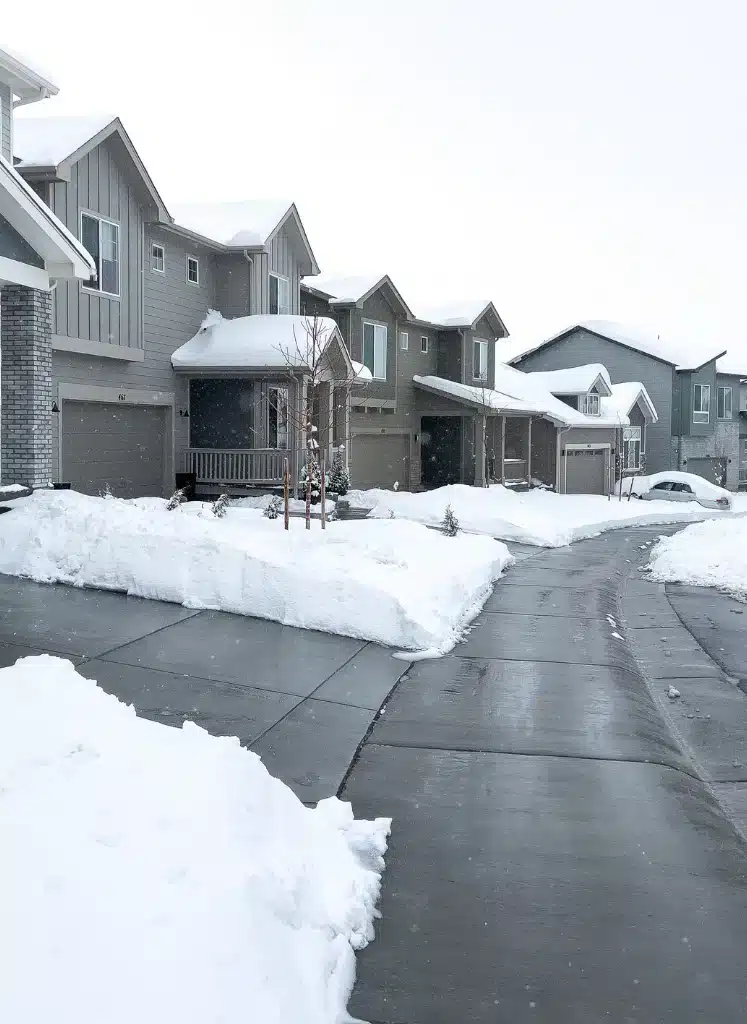
How Freeze-Thaw Cycles Damage Foundations
Foundation Wall and Floor Cracks
Small cracks in foundation walls or basement floors allow moisture to seep in. When that moisture freezes, it expands and forces the crack wider. Over multiple freeze-thaw cycles, this can result in:
- Vertical cracks in poured concrete walls
- Horizontal cracks caused by lateral soil pressure
- Stair-step cracks in block foundations
- Diagonal cracks that indicate uneven foundation movement
These cracks are not just cosmetic. As they grow, they allow more water intrusion and can lead to mold growth, interior damage, and structural instability.
Increased Hydrostatic Pressure
As soil around your foundation absorbs moisture and freezes, it expands. When it thaws, it contracts and shifts. This movement builds hydrostatic pressure against foundation walls. Over time, that pressure can cause walls to bow inward, slide at the base, or develop horizontal cracking.
Without proper waterproofing or structural reinforcement, this pressure can compromise the long-term stability of your foundation.
Basement Water Intrusion
Freeze-thaw cycles often make basement leaks worse. Cracks widened by winter movement allow melting snow and rain to enter more easily. Many homeowners notice basement leaks for the first time during late winter or early spring when thawing occurs.
Signs include damp walls, water at the floor joint, musty odors, and visible moisture after temperature swings.

Warning Signs to Watch for During Winter
If winter weather is affecting your foundation, you may notice:
- New or widening foundation cracks
- Water leaking into the basement after snowmelt
- Doors or windows that suddenly stick
- Cold or damp basement walls
- Visible gaps where walls meet floors
- Horizontal or stair-step cracking in foundation walls
These warning signs often indicate active foundation movement and should be addressed before conditions worsen.
Why You Should Not Wait Until Spring
Foundation problems do not pause during winter. In fact, freeze-thaw conditions can accelerate damage. Waiting until spring allows repeated cycles to continue stressing your foundation. When snow melts and spring rains arrive, saturated soil can further increase pressure and water intrusion.
The earlier foundation issues are identified, the more effective and affordable the solution tends to be.
At Perma Jack of St. Louis, we perform foundation inspections year-round and can identify issues before they escalate into major structural repairs.
Preventing Freeze-Thaw Foundation Damage
While no home can completely avoid winter weather, proactive steps can reduce the risk of freeze-thaw damage.
Proper drainage is critical. Gutters and downspouts should be clean and direct water away from the foundation. Soil should slope away from the house to keep water from pooling against the foundation. Small foundation cracks should be sealed early before water has a chance to enter and freeze.
Regular foundation inspections, especially before and after winter, help catch early signs of movement and cracking. Addressing these issues promptly can prevent more serious damage.
How Perma Jack of St. Louis Can Help
Perma Jack of St. Louis specializes in protecting homes from freeze-thaw related foundation damage with proven, engineered solutions designed for local soil and weather conditions.
Our services include:
- Foundation crack repair
- Bowed and leaning wall stabilization
- Foundation settlement repair using piers
- Basement waterproofing systems
- Crawl space moisture control
- Drainage improvements
We focus on stopping movement, relieving pressure, and keeping water out so your foundation remains stable through every season.
Protect Your Foundation Before Winter Damage Spreads
Freeze-thaw cycles are a reality in the Midwest, but foundation failure does not have to be. If you have noticed cracks, leaks, or signs of movement this winter, do not wait for spring.
Contact Perma Jack of St. Louis today to schedule a free foundation evaluation. We will help you understand what is happening beneath your home and recommend the right solution to keep it strong for years to come.