
When Does a Foundation Crack Signal a Serious Structural Problem
Not every crack in your foundation is a big deal. In fact, most homes will develop small cracks over time. Concrete shrinks. Soil shifts. Seasonal changes happen. But some cracks are different.
They don’t just sit there. They grow, move, or show up with other warning signs. That’s when you stop watching and start taking action.
Quick Answer
A crack may indicate a serious structural problem if it is:
- Wider than about 1/4 inch and continuing to grow
- Offset, meaning one side is no longer even with the other
- Horizontal or accompanied by bowing walls
These are signs that the foundation is actively moving, not just settling.
The Difference Between Normal and Structural Cracks
Most minor cracks are thin and vertical. These usually happen as concrete cures or the house settles slightly. They tend to stay the same over time. Structural cracks behave differently, they are often wider, changing over time, or paired with other movements in the home. The key isn’t just how a crack looks today. It’s whether it’s getting worse or showing signs of pressure behind it.
Crack Width Matters More Than You Think
One of the easiest ways to judge severity is width. Small hairline cracks are usually cosmetic. But once a crack gets larger, it starts telling a different story.
- Cracks under 1/8 inch are often minor
- Cracks over 1/4 inch may indicate structural issues
- Cracks approaching 1/2 inch or more should be taken seriously
Wider cracks allow more water in, but more importantly, they often mean movement is still happening.
Offset Cracks: A Clear Sign of Movement
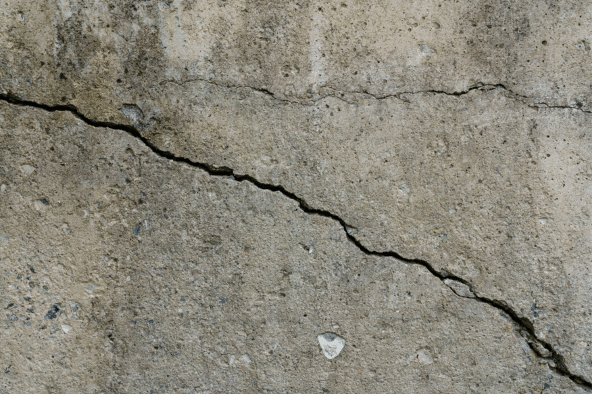
Offset foundation cracks are one of the biggest red flags homeowners miss. If you run your hand across a crack and one side is higher or pushed out compared to the other, that’s not just a crack. That’s movement. Offset cracks usually mean:
- One part of the foundation is shifting
- The structure is no longer level
- Soil beneath the home is unstable
This type of movement is almost always structural and should be evaluated right away.
Horizontal Cracks and Bowing Walls
Horizontal cracks are different from vertical ones. They don’t typically form from normal settling. They form from hydrostatic pressure. In areas like St. Louis, clay soil holds water. When it gets saturated, it expands and pushes against foundation walls. Over time, that pressure can cause walls to crack and even bow inward.
Signs to watch for:
- Long horizontal cracks across foundation walls
- Walls that appear to curve or lean inward
- Cracks paired with moisture or water intrusion
These are serious warning signs that the structure is under stress.
Cracks That Keep Growing
A crack that stays the same for years is usually less concerning. A crack that changes is a different story. Foundation cracks that are getting longer, wider, or if you see new cracks forming nearby are an issue. Any crack that continues to grow and change is a sign that the underlying foundation issue hasn’t been resolved.
When Cracks Show Up With Other Problems
Cracks rarely show up alone when there’s a structural issue. They usually come with other signs that something is shifting. Pay attention if you’re also noticing:
Doors or windows sticking
Floors that feel uneven
Gaps forming around trim or ceilings
Water entering through cracks
When multiple symptoms appear together, it’s usually not a cosmetic issue anymore.
Why This Happens in St. Louis
St. Louis homes deal with a unique combination of soil and weather. Clay-heavy soil expands when wet and shrinks when dry. That constant movement puts stress on foundations year after year. Add in heavy rain, seasonal temperature swings, and other drainage issues around your home and you have the perfect conditions for structural movement.
What to Do If You Notice These Signs
If you see any of the warning signs we outlined in our article above we can help. Our goal isn’t to patch the crack, it’s to figure out why it’s happening. Temporary fixes like DIY sealants won’t work forever and they won’t stop movement. Structural issues usually require more solutions that stabilize the foundation itself like foundation piers.
Contact Us For a Foundation Inspection in St. Louis
If you’re noticing cracks that don’t look right or seem to be getting worse, it’s worth having them evaluated. Our team at Perma Jack of St Louis can help you identify whether a crack is cosmetic or a sign of structural issues that might damage your home. Contact our team today by calling 636-225-2553 or click the button below to fill out our online contact form.