

Foundation Repair for Historic & Older Homes in St. Louis
A crack in the basement wall or a sloping floor can look concerning in any house. In a St. Louis home that has been standing for 80, 100, or even 120 years, the cause is not always as simple as a failing foundation. Older homes have lived through decades of soil movement, weather, drainage changes, renovations, additions, and previous repairs.
We have found that these homes need to be evaluated with extra attention to how they have changed over time. Some signs of movement may have been stable for decades, while other changes can point to an active foundation, drainage, or waterproofing problem that needs attention. The goal is to determine what is actually happening before deciding whether structural repair is necessary.
If you own an older St. Louis home, are planning a renovation, or have noticed changes around the foundation, our team can evaluate the property and help you understand your options.
Older St. Louis Homes Were Built Differently
St. Louis has a large stock of homes built long before modern foundation systems and construction practices became common. Depending on the age and location of the property, an older home may include thick masonry walls, brick construction, limestone or stone foundations, early concrete, lime mortar, or several different types of construction from additions completed over the years.
These are not simply assumptions about old houses. National Register documentation identifies numerous early St. Louis residences constructed with load-bearing brick and limestone foundations. Other historic records from the region document the long use of locally available brick and limestone in St. Louis construction.
That construction history matters when diagnosing a foundation problem. A century-old masonry house should not automatically be judged by the same expectations as a recently built framed home with a modern poured concrete foundation. Age, materials, additions, drainage, previous repairs, and the pattern of movement all need to be considered together.
Limestone, Stone, and Masonry Foundations
Older masonry foundations may include stone, limestone, aging mortar, and decades of previous repairs. Structural movement, moisture, and masonry deterioration can appear together, so it is important to identify the actual cause before recommending a repair.
Additions Can Tell a Different Story
Additions may have different foundations, drainage conditions, or construction than the original home. Because of that, one section of the house may move differently from another, making the home’s construction history an important part of the evaluation.
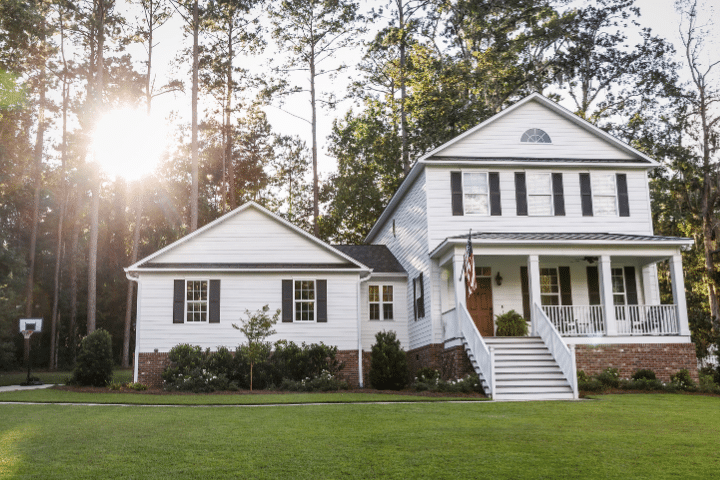
Looking for Foundation Repair for an older or historic home in St. Louis?

Does an Old Foundation Crack Mean the House Is Failing?
One of the most important lessons we have learned from inspecting older St. Louis homes is that visible age and active structural failure are not the same thing. Some homes have cracks, slightly uneven floors, or other signs of past movement that have remained largely unchanged for years. Other homes show newer patterns that indicate settlement or another condition is continuing.
That makes the history of the problem important. A crack that appeared recently, continues to widen, or is accompanied by other changes deserves a closer look. A crack that has been visible and unchanged for decades may tell a different story.
During an evaluation, we want to understand the pattern rather than judge the home based on one cosmetic symptom. Foundation cracks, stair-step cracking through masonry, changes in floor level, sticking doors and windows, wall movement, moisture, drainage, and previous repairs can all provide useful information when viewed together.
Signs an Older Foundation Should Be Evaluated
An older house does not need to be perfectly level or free from every crack to be structurally sound. What matters most is whether something has changed, whether movement appears to be continuing, and whether the condition affects the home’s structure or your plans for the property.
A closer foundation evaluation may be appropriate if you notice:
- new cracks or existing cracks that appear to be widening
- stair-step cracks through exterior brick or masonry
- floors that seem to be becoming more uneven
- doors or windows that recently began sticking
- gaps or separation between parts of the structure
- foundation walls that appear to be bowing or leaning
- recurring basement water or changes in moisture conditions
- movement around an addition or connection to the original house
- previous structural repairs that show signs of additional movement
- foundation concerns discovered while planning a remodel
None of these signs automatically tells us which repair is needed. They are reasons to investigate further and identify the cause before making that decision.
Planning to Remodel an Older St. Louis Home? Evaluate the Foundation First
Renovating an older St. Louis home can involve a significant investment. Before installing new flooring, finishing a basement, rebuilding walls, or putting substantial money into interior finishes, it can be useful to understand what is happening below the house.
The goal is not to find a foundation problem simply because the home is old. It is to identify active structural movement, drainage problems, moisture concerns, or other conditions that could affect the renovation before they become harder to address.
A pre-renovation foundation evaluation can help separate conditions that are part of the home’s long history from problems that deserve attention before the project moves forward.
How We Evaluate Foundation Problems in Older Homes
Our team looks at the home as a complete structure. We consider the type and age of the foundation, visible crack patterns, signs of settlement or wall movement, conditions around doors and windows, changes in floors, drainage around the house, basement moisture, previous repairs, and the relationship between original construction and later additions. Perma Jack’s experience inspecting historic St. Louis homes has shown that these conditions often need to be considered together.
We also want to know what has changed. If possible, tell us when you first noticed the problem, whether it has become more noticeable, and whether anything around the property changed beforehand. New landscaping, drainage changes, additions, renovations, or long periods of unusually wet or dry conditions can add useful context. Once we understand the likely cause and whether movement appears to be active, we can discuss an appropriate next step.
Repair Options for Historic and Older Foundations
There is no single repair that is appropriate for every old foundation. The recommendation depends on what is moving, why it is moving, how the house is constructed, and whether the problem is structural, moisture-related, masonry-related, or a combination of conditions.
Foundation Pier Stabilization
When part of a structure is actively settling, foundation piers may be used to transfer the structural load to a stronger bearing layer below the unstable soil. Perma Jack has used hydraulically driven steel push piers for foundation stabilization in the St. Louis area since 1974. The Perma Jack System is driven until bedrock or an equivalent load-bearing stratum is reached and is then locked in place to support the structure.
Pier installation should follow the diagnosis. An old crack by itself does not mean the home needs piers, and the age of the house should not be used as the reason to recommend them.
Bowed or Moving Foundation Walls
If wall movement is present, the repair needs to address that condition rather than treating it as vertical foundation settlement. Perma Jack provides bowed wall repair as part of its broader foundation services in the St. Louis area.
Foundation and Basement Wall Cracks
Cracks also need to be evaluated according to their cause. Some are associated with movement, while others may be more closely related to water intrusion, aging materials, or conditions that have remained stable for many years.
The location, direction, width, history, and surrounding conditions all help determine what the crack is telling us. Treating every crack as the same problem can lead to repairing the symptom without addressing the cause.
Drainage and Basement Moisture
In many older homes, moisture can be just as important as structural movement. Historic homes were built before today’s waterproofing systems became common, and drainage around a property can change substantially over the course of several decades. When water is the primary issue, pier stabilization may not solve the problem. The better recommendation may involve basement waterproofing, drainage improvements, crack repair, masonry work, or another service that addresses how water is reaching the foundation.
Sometimes the Right Foundation Repair Is No Structural Repair at All
An older home can contain plenty of evidence of its age without having an active structural problem. If the foundation has experienced old settlement but is no longer moving, the appropriate next step may be monitoring the condition or addressing a separate drainage, waterproofing, or masonry concern instead.
Our diagnostic approach is especially important with historic homes because decades of ordinary aging can otherwise be mistaken for an immediate structural failure. The purpose of the inspection is to determine what the house needs, not to make the house conform to the appearance of new construction.
Historic Preservation Considerations in St. Louis
Owning a historic home can involve requirements that do not apply to every property. The City of St. Louis Cultural Resources Office oversees preservation review for exterior work on City Landmarks and buildings located within local historic districts. Each local historic district has its own rehabilitation and design standards, and larger projects may require additional review.
This does not mean every foundation repair on an older house requires historic-preservation approval. A house being old is also not the same thing as being located in a locally designated historic district. If your property has a historic designation and the planned repair will affect the exterior, it is worth checking the applicable requirements with the Cultural Resources Office as part of the project planning process.
For the homeowner, the important point is simple: structural stabilization and historic restoration are related considerations, but they are not necessarily the same trade or the same scope of work. The foundation problem should first be correctly identified so the appropriate type of contractor and repair can be selected.
Foundation Experience That Goes Beyond the Age of the House
Our team has been working with foundation settlement in the region since 1974. During that time, our team has evaluated homes from very different eras of St. Louis construction, from historic masonry homes to mid-century houses and newer construction. That experience has reinforced an important point: foundation problems should be diagnosed according to what the structure is doing now. An older home may have survived a century of seasonal soil changes and repairs without requiring major structural intervention. Another house may show recent movement that makes stabilization the responsible next step.
Schedule a Foundation Evaluation for Your Older St. Louis Home
Our team at Perma Jack of St. Louis has worked with homeowners in Soulard, Benton Park, Lafayette Square, Shaw, Webster Groves, and the Central West End. St. Charles, and other historical areas in St. Louis since 1974. If you have noticed new cracks, changing floors, basement moisture, signs of settlement, or foundation concerns while planning a renovation, we can evaluate the home and help determine the appropriate next step.
Read Our Articles for More Information

Frequently Asked Questions About Older Home Foundations
Are uneven floors normal in a 100-year-old house?
Slightly uneven floors are common in older houses, but age alone does not tell you whether the condition is stable. What matters is whether the floor has continued to change and whether other signs of structural movement are present. If the slope appears to be getting worse or is accompanied by new cracks, sticking doors, or separation between parts of the structure, an evaluation can help determine what is happening.
How can I tell if an old foundation crack is still moving?
The history of the crack is important. A crack that has looked the same for many years may represent older movement, while a crack that is widening, extending, or accompanied by other new symptoms deserves more attention. Looking at the crack together with floor changes, masonry movement, doors, windows, drainage, moisture, and other conditions provides a better picture than the crack alone.
Do historic homes always need foundation piers?
No. Foundation piers are intended to address specific structural settlement conditions. Perma Jack has encountered foundation concerns where the appropriate recommendation did not involve piers at all, which is why the diagnosis should come before the repair recommendation.
Should I have the foundation checked before remodeling an old house?
It can be a smart step if you have visible foundation concerns, unexplained floor movement, recurring basement moisture, existing cracks, or plans for a major renovation. Identifying an active structural or water problem before new finishes are installed can help you make better decisions about the order of the work.
Can limestone and stone foundations be repaired?
Problems involving limestone and stone foundations can often be addressed, but the right contractor depends on the problem. Structural movement, water intrusion, deteriorated mortar, and damaged masonry are different conditions and may require different repair methods. Historic St. Louis documentation confirms that limestone foundations are present beneath many older masonry homes in the region.
Does foundation work on a historic St. Louis home require special approval?
It depends on the property’s designation and the scope of work. The City of St. Louis requires Cultural Resources Office review for exterior work in local historic districts, while other older homes may not fall under the same requirements. Homeowners with designated properties should verify the applicable standards before beginning exterior work.
Can an addition settle differently from the original house?
Yes. An addition may have been built decades after the original house using different construction methods or foundation conditions. When movement appears near the connection between old and newer portions of a home, both sections should be considered during the evaluation rather than assuming the entire foundation is experiencing the same problem.