
Bowed Wall Repair in St. Louis, MO
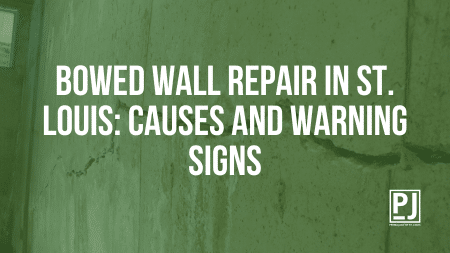
A bowing, buckling, or leaning basement wall is often a sign that pressure from the surrounding soil is pushing against the foundation. Horizontal cracks, stair-step cracks, or visible inward movement should be evaluated before the damage progresses.
Perma Jack of St. Louis provides professional bowed wall repair for homes and commercial properties throughout the region. Our team inspects the wall, measures the movement, identifies contributing conditions, and recommends a repair system based on the structure.
Professional Foundation Wall Stabilization
The right repair depends on the amount of movement, wall construction, soil conditions, basement layout, and available exterior access.
Our bowed wall repair solutions include:
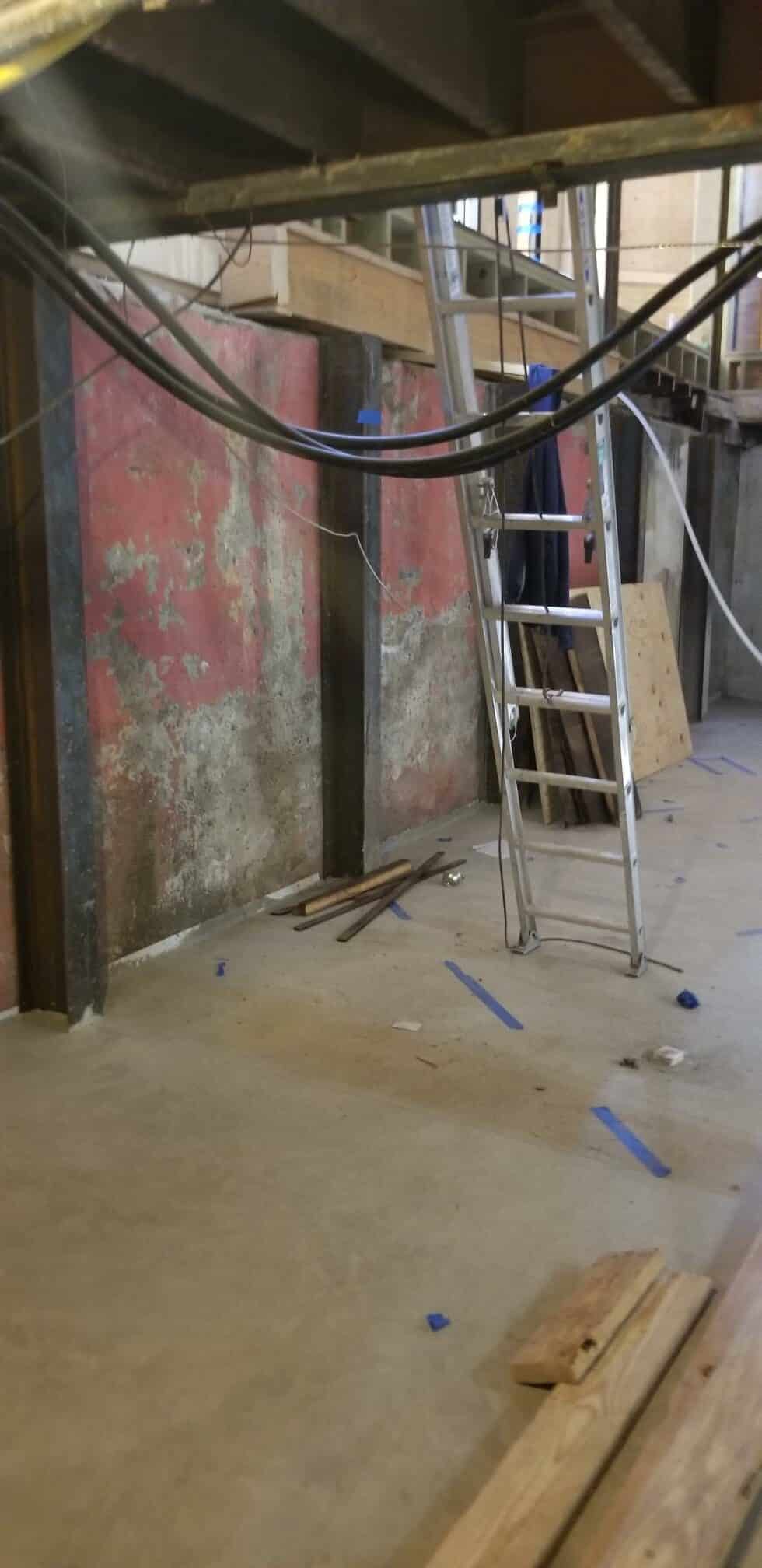
Steel I-beam supports
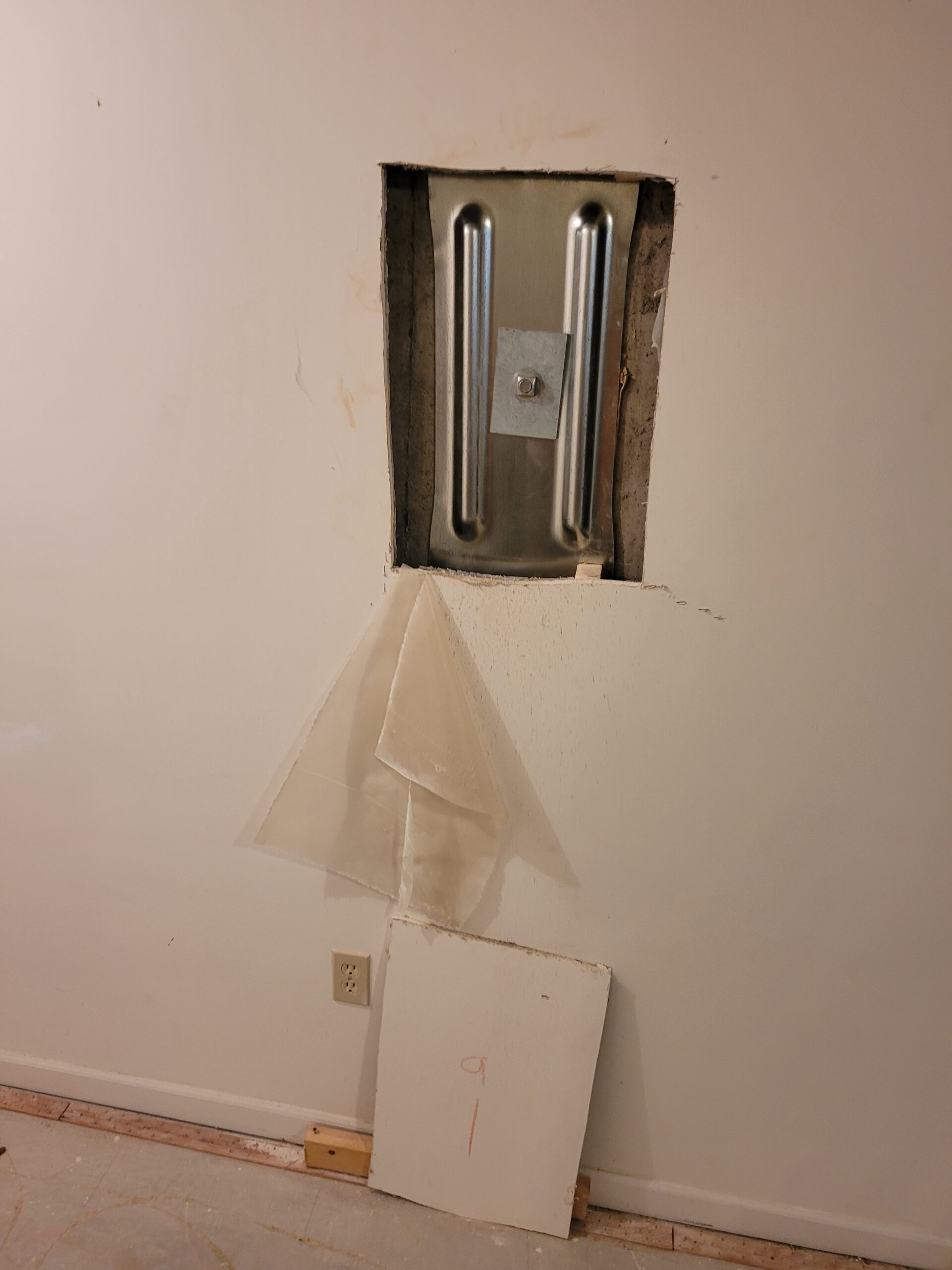
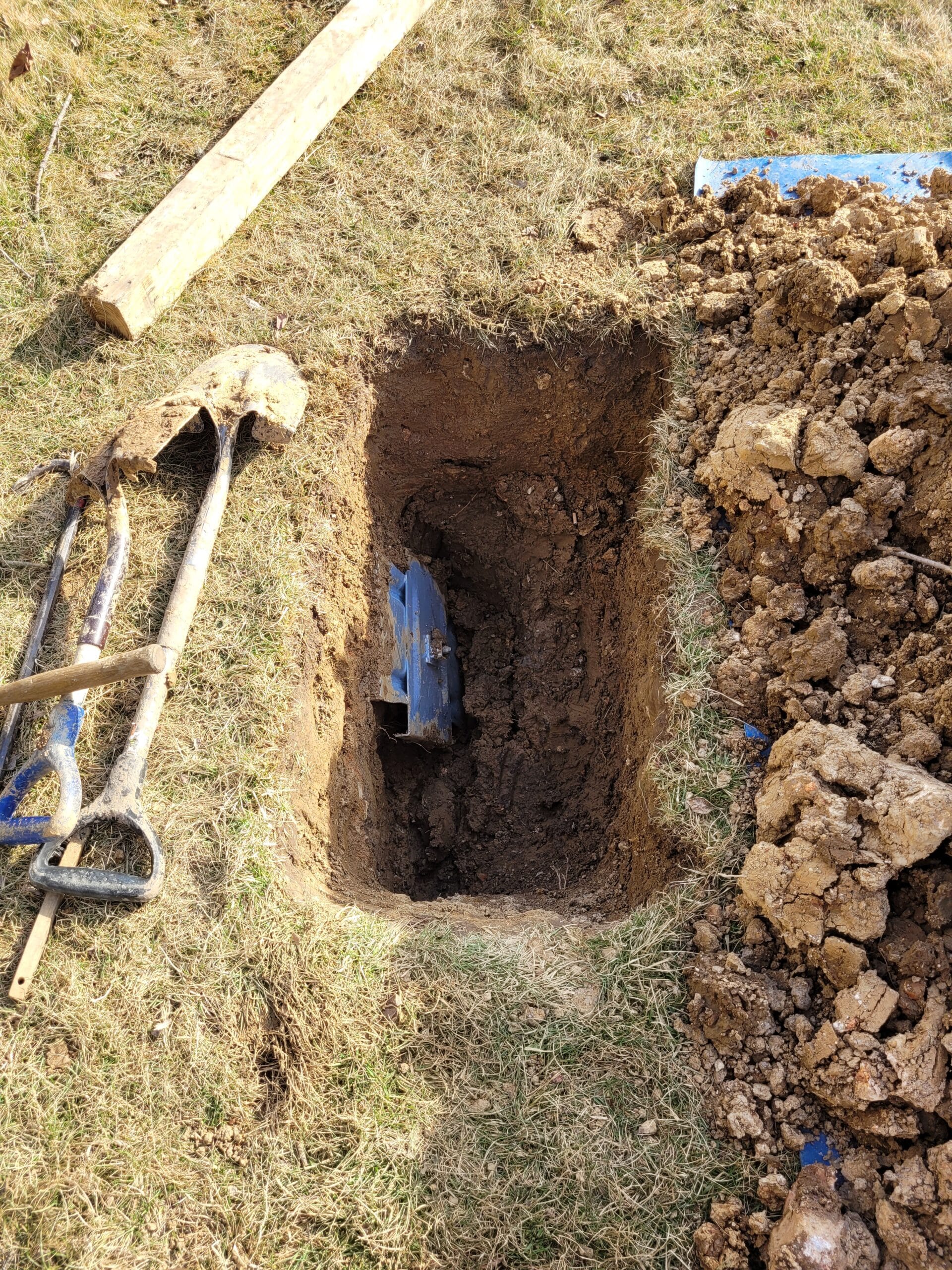
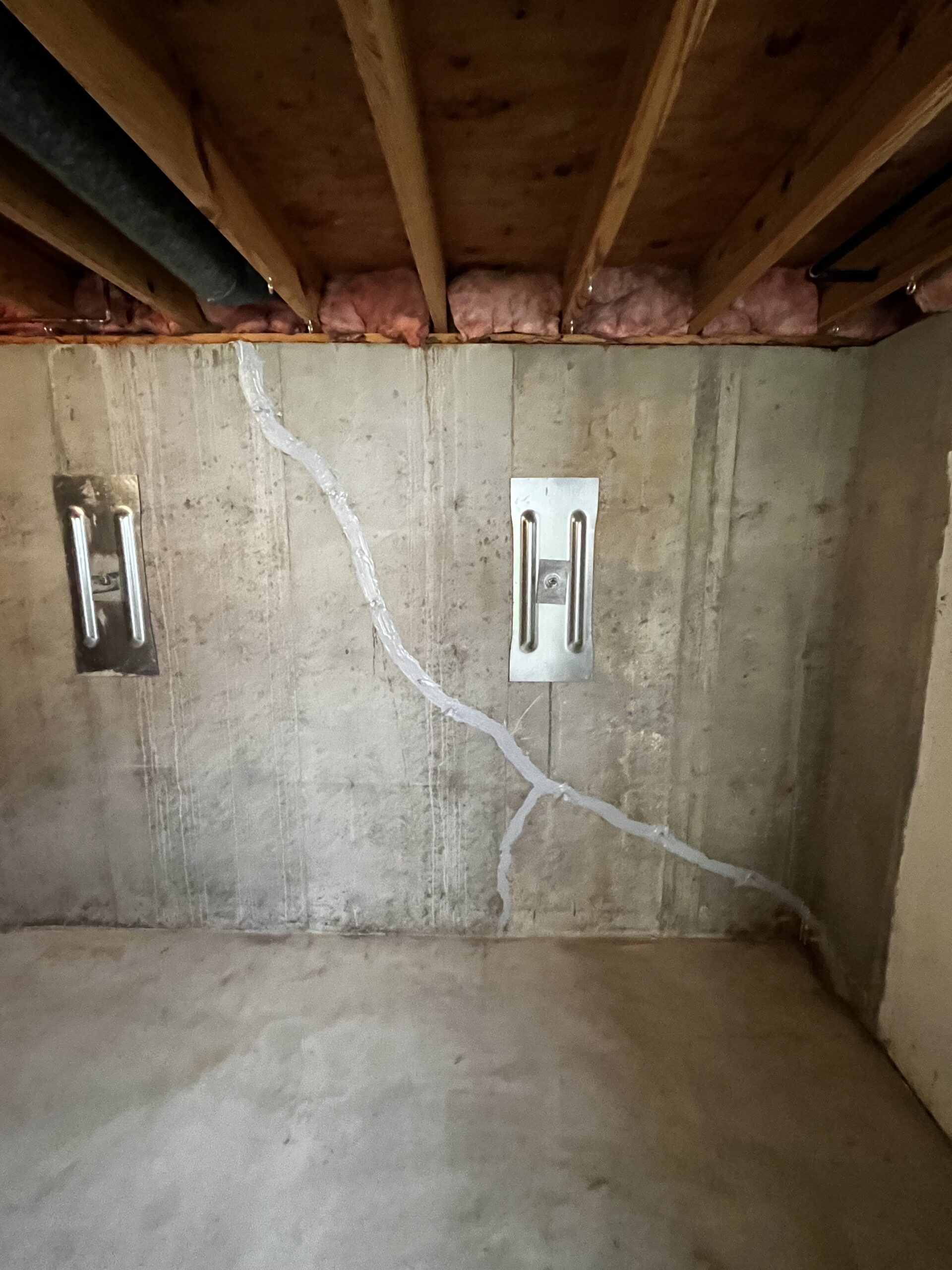
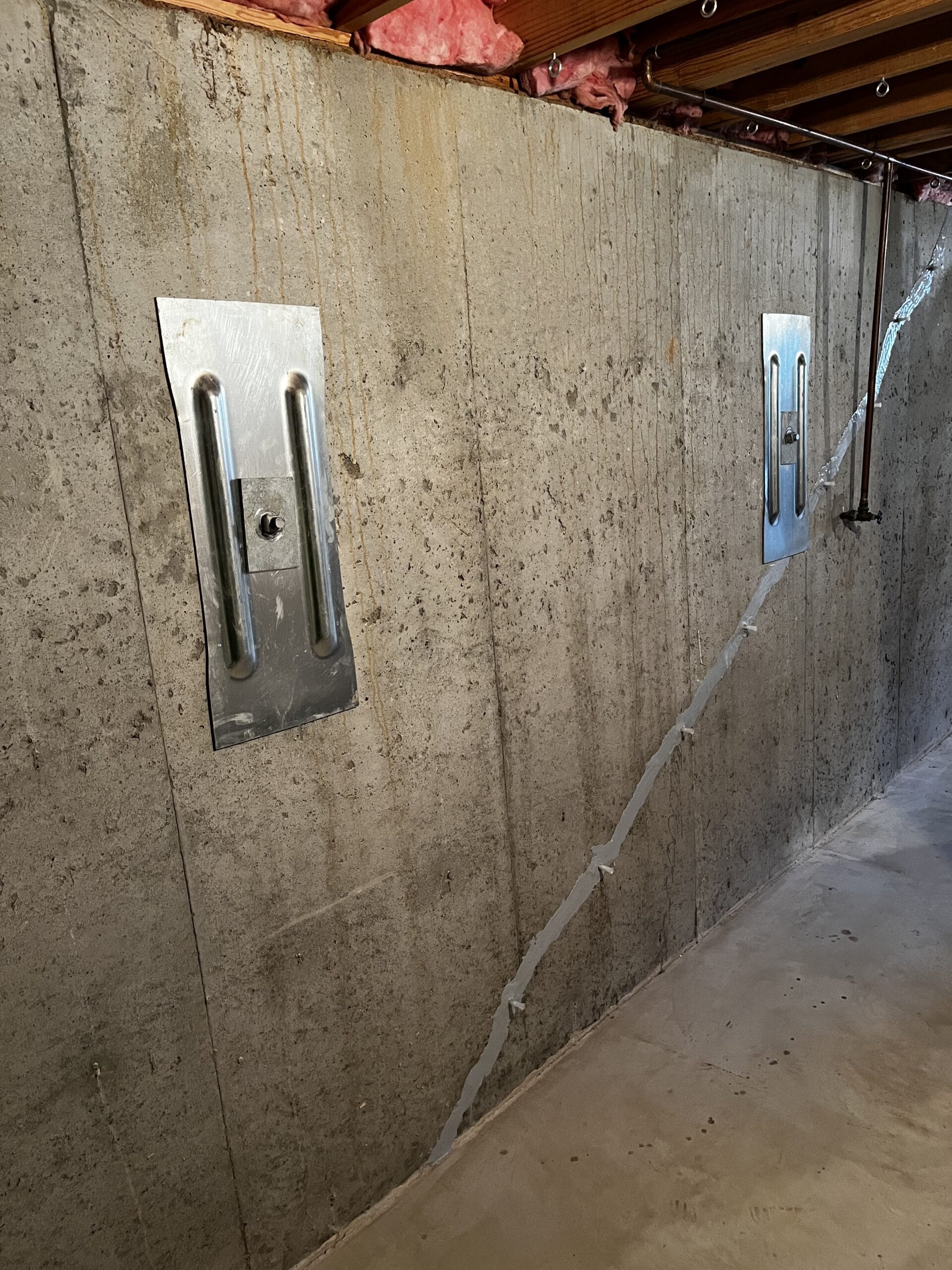
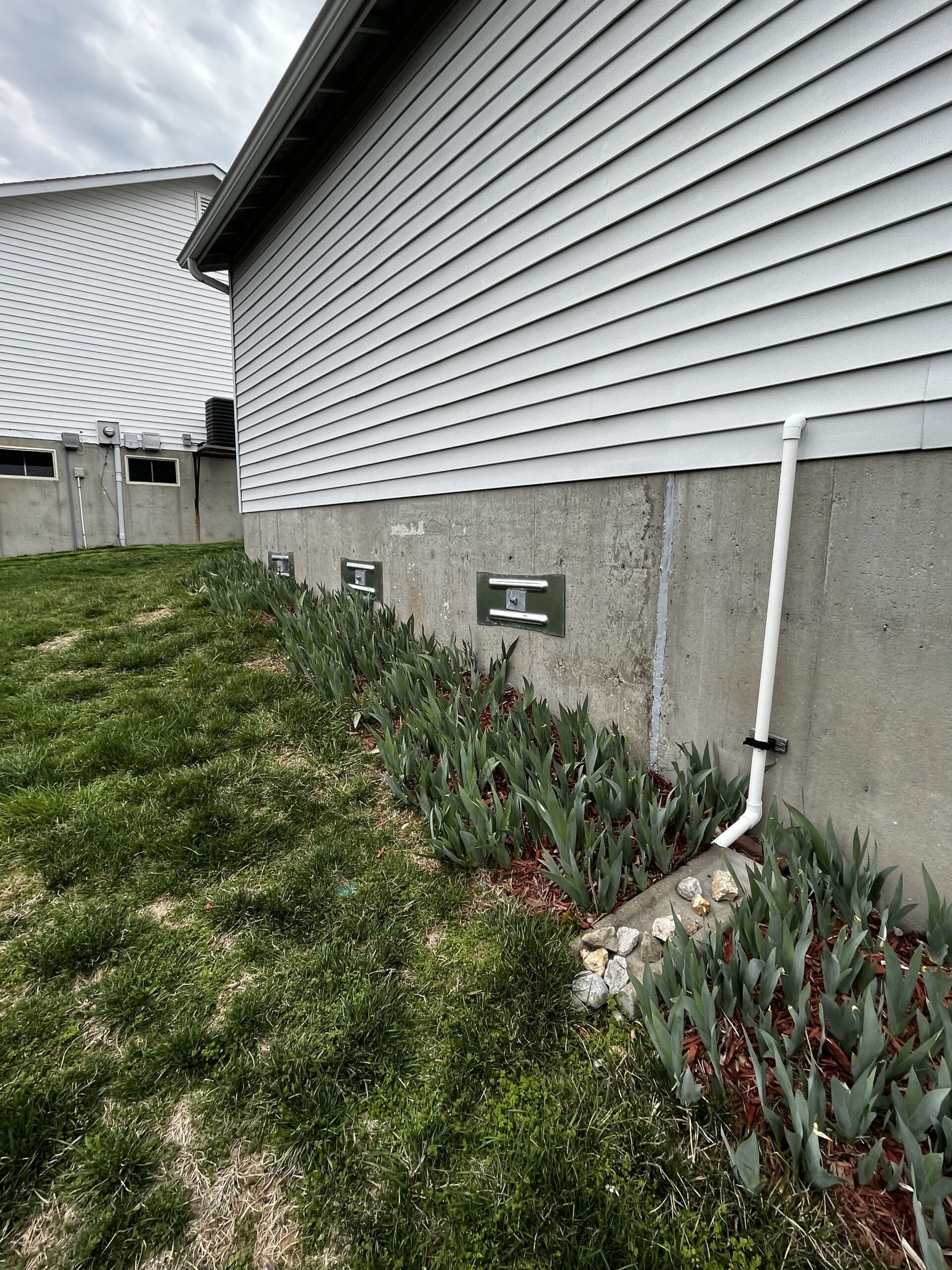
Wall plate anchors
Helical wall tiebacks
Carbon fiber straps
Foundation crack repair
Wall stabilization and reinforcement
Drainage improvements when needed
Basement waterproofing for related water intrusion
Foundation wall movement often begins gradually. Common warning signs include:
- Horizontal or stair-step cracks
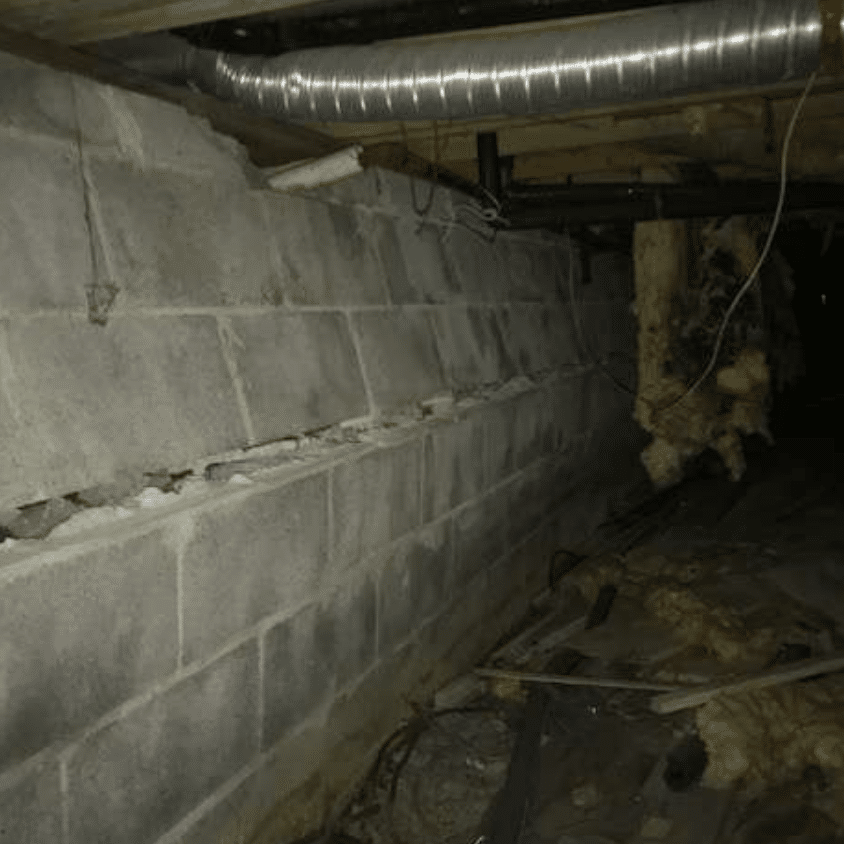
- A wall that curves or leans inward
- Cracks that grow wider over time
- Bulging concrete blocks
- Separation near the top of the wall
- Water leaking through wall cracks
- Previous repairs reopening
- Doors or windows becoming difficult to use
A small crack does not always indicate serious structural damage, but visible inward movement or horizontal cracking should not be ignored.
Looking for Bowed Wall Repair service in St. Louis?

What Causes Basement Walls to Bow?
Basement walls are designed to resist pressure from the surrounding soil. When that pressure becomes too great, the wall may crack, bow, or shift inward.
Common causes in the St. Louis area include:
Expansive Clay Soil
Clay-rich soil expands as it absorbs water, increasing pressure against the foundation. Repeated wet and dry cycles can gradually weaken the wall.
Hydrostatic Pressure
Water collecting around the foundation adds weight and pressure to the surrounding soil. This commonly occurs after heavy rain, snowmelt, or poor drainage.
Poor Exterior Drainage
Clogged gutters, short downspouts, and improper grading can allow water to collect beside the home and increase pressure against the basement walls.
Aging or Weakened Walls
Older concrete, deteriorated mortar joints, limited reinforcement, or previous damage may make a wall more vulnerable to movement.
Why Early Inspection Matters
A bowed wall will not correct itself. Continued pressure can cause additional cracking, movement, and water intrusion.
An inspection can help determine:
- Whether the damage is structural
- How far the wall has moved
- Whether movement is continuing
- Which repair method is appropriate
- Whether drainage improvements are also needed
Early evaluation often provides more repair options and may help prevent the need for more extensive reconstruction.
Bowed Wall Repair Options
Perma Jack offers several methods for stabilizing bowing or leaning foundation walls.
Steel I-Beam Supports
Steel I-beams are installed vertically along the interior wall to provide strong structural reinforcement. They are often used when significant interior bracing is needed and exterior access is limited.
Wall Plate Anchors
Wall anchors connect an interior steel plate to an anchor installed in stable soil outside the foundation. The system stabilizes the wall and may allow for gradual adjustment in suitable conditions.
Helical Wall Tiebacks
Helical tiebacks extend through the wall and into stable soil. They provide strong lateral support and may be used when the wall has experienced more substantial movement.
Carbon Fiber Straps
Carbon fiber straps are bonded directly to the wall to help resist continued inward movement. They provide a low-profile option for walls with limited bowing or early horizontal cracking.
Comparing Bowed Wall Repair Methods
| Repair Method | Common Application | Primary Benefit | Exterior Access |
|---|---|---|---|
| Carbon fiber straps | Limited movement and horizontal cracking | Low-profile stabilization | Usually not required |
| Wall plate anchors | Moderate or advanced bowing | Stabilization with possible adjustment | Usually required |
| Steel I-beam supports | Walls needing strong interior bracing | Structural reinforcement | Usually not required |
| Helical tiebacks | Significant movement | High-capacity stabilization | Limited access may be required |
The appropriate repair should be selected after evaluating the wall, soil, drainage, and amount of movement.
Stabilization and Straightening
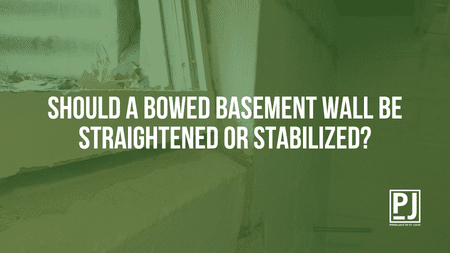
Most bowed wall repairs are designed first to stop continued movement.
Carbon fiber straps and steel beams typically stabilize the wall in its current position. Wall anchors and helical tiebacks may allow limited adjustment when the wall and surrounding conditions make straightening appropriate.
Not every wall should be pushed back into place. Perma Jack will explain whether stabilization, adjustment, or reconstruction is the safest recommendation.
Bowed Walls and Water Intrusion
Cracks caused by wall movement may also allow water into the basement. Structural stabilization does not always correct the moisture source.
Related improvements may include:
- Sealing foundation cracks
- Installing an interior drainage system
- Adding or replacing a sump pump
- Correcting gutters, grading, or downspouts
- Installing a wall moisture barrier
Because Perma Jack provides both foundation repair and basement waterproofing, our team can evaluate the structural and moisture concerns together.
Our Inspection and Repair Process
Inspect the Wall
We examine the cracking, wall material, visible movement, and surrounding foundation.
Measure the Damage
Our team determines how far the wall has shifted and where the movement is concentrated.
Review Exterior Conditions
We look at grading, drainage, soil saturation, utilities, and available access.
Recommend the Repair
We explain which stabilization method is appropriate and why.
Install the System
Our team installs the selected support, anchor, tieback, or carbon fiber system.
Review the Completed Work
We explain the repair and any drainage or maintenance recommendations.
Why Choose Perma Jack of St. Louis?
Perma Jack has decades of experience helping local property owners address bowed walls, foundation cracks, settlement, and basement water problems.
Homeowners and commercial property owners choose us for:
- Local foundation repair experience
- Multiple repair options
- Detailed wall inspections
- Solutions for concrete and block walls
- Foundation repair and waterproofing expertise
- Clear recommendations based on the structure
Our goal is to recommend the repair that fits the condition of the wall rather than forcing every property into the same solution.
Schedule a Bowed Wall Inspection
Call 636-225-2553 or complete our online contact form to schedule a bowed wall inspection with Perma Jack of St. Louis.
Bowed Wall Repair Reviews
Bowed Wall Repair In Chesterfield, MO
Bowed Wall Repair In Ballwin, MO
Repair Technician was prompt, professional and a job WELL DONE. Pricing is right and no hesitation to refer to anyone who needs foundation problems fixed right.