

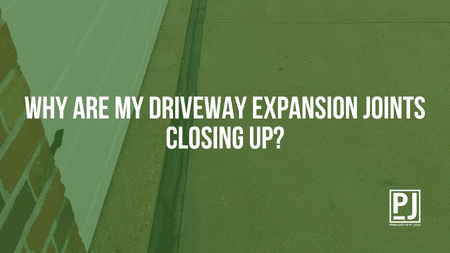
Why Are My Driveway Expansion Joints Closing Up?
A driveway expansion joint that looks like it is closing does not automatically mean you have a structural problem. Dirt may be packed into the gap, old filler may have compressed, or seasonal concrete movement may temporarily make the joint look tighter. We become more interested when the same joint
Should a Bowed Basement Wall Be Straightened or Stabilized?
A bowed basement wall does not always need to be pushed back until it is perfectly straight. In many homes, the more important structural goal is to stop the wall from continuing to move. Straightening may be possible in certain situations, but the condition of the wall, the amount and
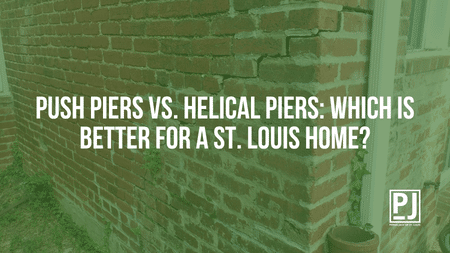
Push Piers vs. Helical Piers: Which Is Better for a St. Louis Home?
Neither push piers nor helical piers are better for every St. Louis home. Both systems can transfer structural loads away from unreliable upper soils, but they are installed differently and they fit different structural and site conditions. When we choose a pier system, we are looking at the weight and
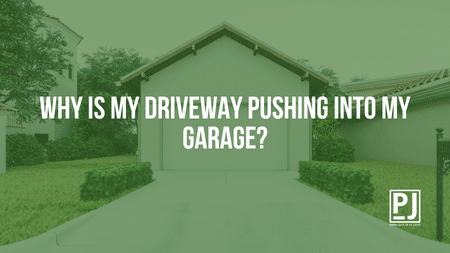
Why Is My Driveway Pushing Into My Garage?
If your driveway looks like it is slowly pressing into the front of your garage, you may be dealing with a problem called street creep. We see this around the St. Louis area when concrete pavement expands over time and the movement has nowhere else to go. Instead of being
Should a Settled Foundation Be Lifted or Just Stabilized?
When homeowners hear that part of their foundation has settled, one of the first questions they ask is whether the house should be lifted back into position or simply stabilized where it is. Those are not the same thing. At Perma Jack of St. Louis, stabilization means giving the settled

What We Commonly Find in St. Louis Homes Built in the 1970s and 1980s
Homes built in the 1970s and 1980s make up a large part of the housing stock throughout the St. Louis suburbs. These houses may not feel particularly old, but many have now been through 40 to 50 years of Missouri summers, wet springs, dry spells, landscaping changes, renovations, and repairs.

What Is the Best Fix for Water Coming in Where the Wall Meets the Floor?
Water showing up where the basement wall meets the floor is one of the most common basement leaks we see around St. Louis. Homeowners often assume the joint itself needs to be sealed, but that is usually only where the water is becoming visible. At Perma Jack of St. Louis,

How Do We Tell Whether Water Is Contributing to Foundation Movement?
Water and foundation movement are often connected, but not every foundation problem is caused by poor drainage. A crack can come from settlement, soil movement, wall pressure, previous construction, or conditions that developed years ago. That is why we do not look at a wet yard or a foundation crack
How Can I Tell If My Foundation Is Still Moving?
Finding a foundation crack does not always tell you what is happening right now. Some cracks are evidence of movement that happened years ago and has since stopped. Others are part of a foundation problem that is still developing. That difference matters. We inspect homes throughout the St. Louis area